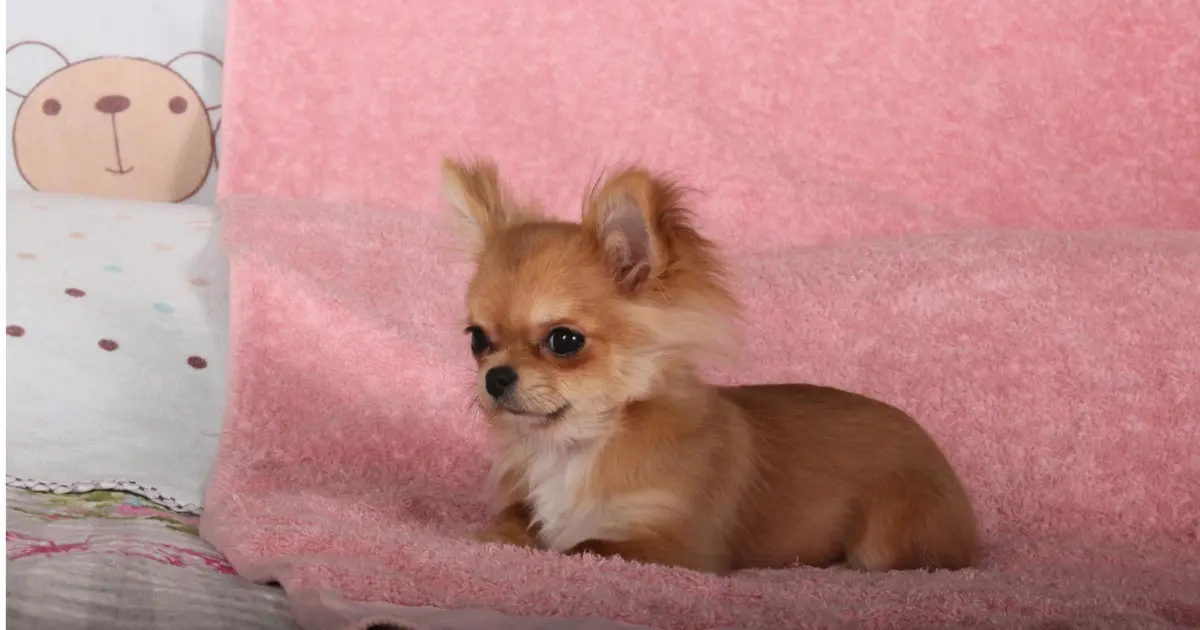
Why Is My Chihuahua Shaking? 7 Common Reasons (And When to Worry)
Table of Contents
You’re sitting on the couch when you notice it—your Chihuahua is shaking. Maybe it’s subtle, maybe it’s obvious, but your heart immediately tightens. You start wondering: why is my Chihuahua shaking? Is it something normal, or should I be worried?
If this question has crossed your mind, you’re far from alone. Many Chihuahua owners notice trembling at some point, and the good news is that shaking can be completely harmless—or it can be a signal that your dog needs attention. The key is understanding the context.
Let’s break down the most common reasons Chihuahuas shake, how to recognize each one, and what you can do to keep your dog safe and comfortable.
1. Feeling Cold ❄️
What it means
Chihuahuas are one of the smallest dog breeds, with short coats and very little insulation. This makes them especially sensitive to cold temperatures, which is one of the most common answers to why a Chihuahua shakes.
How to recognize it
- Shaking starts in cool rooms or outdoors
- Your Chihuahua curls up tightly
- Ears, belly, or paws feel cold to the touch
What to do
- Dress your dog in a sweater or jacket
- Provide warm bedding
- Avoid exposing them to cold drafts
Cold-related trembling is normal and very common in this breed.
2. Excitement or Strong Emotions 🐕
What it means
Sometimes, shaking has nothing to do with fear or illness. Chihuahuas can tremble when they’re excited, happy, or overstimulated.
How to recognize it
- Shaking during greetings, playtime, or meal prep
- Tail wagging and alert body language
- Trembling stops once your dog calms down
What to do
- Encourage calm interactions
- Let your Chihuahua settle before stimulating activities
If you’re asking why is my Chihuahua shaking when I come home, excitement is often the answer.
3. Fear, Stress, or Anxiety 😟
What it means
Chihuahuas are alert and sensitive by nature. Loud noises, unfamiliar people, car rides, or changes in routine can trigger stress-related shaking.
How to recognize it
- Trembling during storms or fireworks
- Ears back, wide eyes, or hiding
- Shaking paired with restlessness or clinginess
What to do
- Speak calmly and offer reassurance
- Create a quiet, safe space
- Reduce exposure to known stressors
Anxiety is a very common reason behind Chihuahua shaking, especially in nervous or rescued dogs.
4. Pain or Physical Discomfort
What it means
When owners ask why is my Chihuahua shaking all of a sudden, pain or discomfort is something to consider. Shaking can be a response to something that doesn’t feel right.
How to recognize it
- Shaking combined with limping or whining
- Sensitivity when touched
- Changes in posture or movement
What to do
- Limit activity
- Monitor behavior closely
- Contact a veterinarian if symptoms continue
Pain-related shaking shouldn’t be ignored, especially if it’s new or persistent.
5. Low Blood Sugar (Hypoglycemia)
What it means
Because of their tiny size, Chihuahuas—especially puppies—can experience drops in blood sugar if they miss meals.
How to recognize it
- Shaking with weakness or lethargy
- Disorientation or lack of coordination
- More common in very small or young dogs
What to do
- Feed small, regular meals
- Avoid long gaps between feedings
- Seek veterinary guidance if this happens often
This is one of the more serious reasons a Chihuahua may shake.
6. Illness or Health-Related Issues 🩺
What it means
Shaking can sometimes accompany illness, though it’s rarely the only symptom.
How to recognize it
- Loss of appetite
- Vomiting or diarrhea
- Lethargy or noticeable behavior changes
What to do
- Observe for additional signs
- Don’t ignore ongoing or worsening shaking
- Schedule a vet visit for proper evaluation
If you’re asking why is my Chihuahua shaking and acting strange, it’s best to seek professional advice.
7. Age-Related Changes in Senior Chihuahuas
What it means
Older Chihuahuas may shake more due to natural aging and reduced muscle control.
How to recognize it
- Gradual increase in trembling
- Stiffness or slower movement
- Shaking mostly at rest
What to do
- Provide warm, cushioned bedding
- Keep routines consistent
- Discuss age-related changes with your vet
Aging doesn’t mean pain—but it does mean adjusting care.
Quick Overview: Chihuahua Shaking Causes
| Cause | Normal or Serious? | What to Do |
|---|---|---|
| Cold | Normal | Add warmth and clothing |
| Excitement | Normal | Allow time to calm |
| Fear or anxiety | Usually normal | Reduce stress, reassure |
| Pain | Potentially serious | Observe and limit activity |
| Low blood sugar | Can be serious | Feed regularly, monitor |
| Illness | Potentially serious | Watch for other symptoms |
| Aging | Normal | Adjust comfort and care |
When to See a Vet 🚨
You should consider a vet visit if:
- Shaking is sudden, severe, or constant
- It’s combined with weakness, vomiting, or loss of appetite
- Your Chihuahua seems confused or unusually tired
- Your instincts tell you something is wrong
Trusting your gut is part of being a good dog owner.
Final Reassurance ❤️
If you’re still wondering why is my Chihuahua shaking, remember this: most of the time, trembling in Chihuahuas is linked to their size, emotions, or environment—not a serious problem. By paying attention to context and patterns, you’re already doing the right thing.
Shaking doesn’t automatically mean danger. And when it does signal a concern, early attention makes all the difference. Your Chihuahua is lucky to have someone who cares enough to ask.
If you’d like to explore a closely related topic, you may also find our other Chihuahua articles helpful:
Three Health Issues That Chihuahuas Have
Chihuahua Behavior Problems: 7 Common Issues and Practical Solutions
Chihuahua Personality: Traits, Temperament & What Owners Should Expect