
Small White Dog Breeds: Care, Grooming, and Personality
Table of Contents
introduction
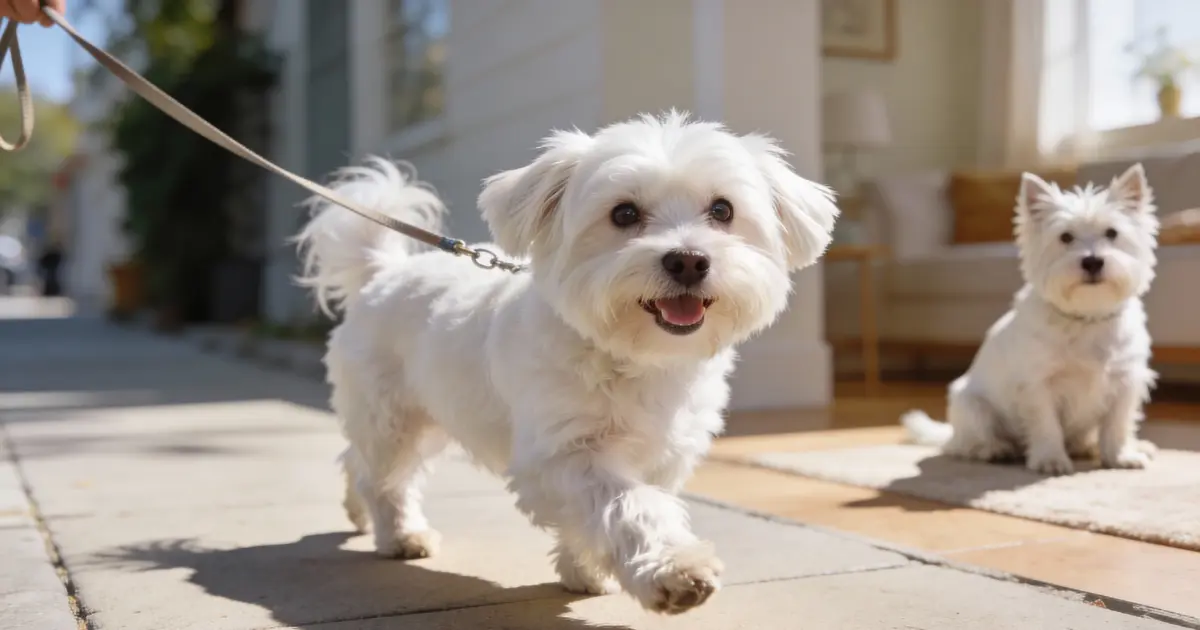
There’s something undeniably charming about a small white dog trotting down the sidewalk. Whether it’s their cloud-like appearance or their spirited personalities, these pint-sized pups have captured hearts for generations. If you’re considering adding one of these white-coated companions to your family, you’re in for a delightful journey filled with cuddles, companionship, and yes, a bit of grooming.
This guide walks you through everything you need to know about small white dog breeds, from their personalities and care needs to the grooming techniques that’ll keep them looking picture-perfect.
Why Small White Dogs Are So Popular
Small white dogs have become beloved companions for good reason. Their compact size makes them ideal for various living situations, while their bright white coats create an elegant, eye-catching appearance that stands out at the dog park.
The Practical Appeal
A typical small white dog weighs under 25 pounds, making them easy to carry, transport, and manage in everyday situations. Need to visit the vet? No problem lifting your pup onto the examination table. Want to travel? Most of these smaller white breeds fit comfortably in airline-approved carriers. This practicality extends to daily life, where they consume less food, require smaller living spaces, and often adapt well to apartment living.
The Emotional Connection
Beyond practicality, there’s something emotionally appealing about a fluffy white companion. Many owners describe their dogs as living teddy bears. These breeds often form incredibly strong bonds with their families, offering companionship that feels outsized compared to their petite frames. They’re portable snuggle buddies who happen to fit perfectly in your lap during movie nights.
Social Media Darlings
Let’s be honest: dogs with white coats and small frames are incredibly photogenic. Their pristine fur photographs beautifully, and their expressive faces make them naturals for social media. If you enjoy sharing your life online, your compact white companion will likely become your most popular subject.
Popular Small White Dog Breeds
Not all small white dogs are created equal. Each breed brings its own personality, energy level, and care requirements. Here are some of the most popular breeds you might consider.
Maltese
The Maltese is the quintessential small white dog. Weighing just 4 to 7 pounds, these gentle companions have silky, floor-length coats that flow like water. Maltese dogs are known for their sweet, playful temperaments and devotion to their owners. They’re surprisingly sturdy despite their delicate appearance and can live 12 to 15 years with proper care.
Personality Snapshot: Affectionate, gentle, intelligent, and surprisingly fearless.
Bichon Frise
If you want a powder-puff look, the Bichon Frise delivers. These cheerful dogs weigh 12 to 18 pounds and sport a distinctive curly white coat that gives them an almost spherical silhouette. Bichons are natural entertainers who love being the center of attention. They’re also hypoallergenic, making them popular choices for people with allergies.
Personality Snapshot: Playful, curious, sociable, and excellent with children.
West Highland White Terrier (Westie)
Westies are the rugged individualists of the small white dog world. Weighing 15 to 20 pounds, these Scottish terriers were bred to hunt rodents, which explains their confident, independent nature. Their double coat is wiry on top and soft underneath, giving them a distinctly different texture from other white-coated small breeds.
Personality Snapshot: Confident, independent, alert, and surprisingly athletic.
Coton de Tulear
Named for their cotton-like coat, Coton de Tulears are the comedians of compact white breeds. These 8 to 15-pound charmers originated in Madagascar and are known for their clownish antics and people-pleasing nature. Their soft, fluffy coats require regular grooming but reward you with an irresistibly huggable texture.
Personality Snapshot: Happy-go-lucky, adaptable, affectionate, and surprisingly vocal.
Japanese Spitz
For those who want a slightly larger option, the Japanese Spitz weighs 10 to 25 pounds. These dogs resemble miniature Samoyeds with their thick double coats, pointed ears, and fox-like faces. Despite their fluffy appearance, they are relatively easy to groom and shed less than expected.
Personality Snapshot: Intelligent, loyal, alert, and family-oriented.
Grooming and Coat Care Tips
Let’s address the elephant in the room: keeping a white coat truly white requires commitment. That pristine appearance doesn’t maintain itself, but with the right approach, grooming becomes an enjoyable bonding activity rather than a chore.
Daily Maintenance
Brush regularly: Most breeds in this category need brushing at least three to four times weekly, with some requiring daily attention. Use a slicker brush or pin brush appropriate for your dog’s coat type.
Face cleaning: The white fur around the eyes and mouth is prone to tear stains and discoloration. Wipe these areas daily with a damp cloth or pet-safe wipes.
Paw care: Light-colored paws pick up everything. After walks, wipe them down to prevent stains from setting in.
Bathing Best Practices
These dogs typically need baths every three to four weeks. Use a whitening or brightening shampoo formulated for light coats to combat yellowing and dullness.
Pro tip: Never bathe a matted coat. Always brush thoroughly before bath time.
Professional Grooming
Professional grooming every six to eight weeks is recommended, especially for breeds with continuously growing hair. Groomers can manage trims, nails, and ear care while maintaining a polished look.
Preventing Stains
- Use stainless steel or ceramic bowls
- Keep facial hair dry after drinking
- Trim hair around eyes and mouth
- Feed high-quality food
- Offer filtered water to reduce mineral buildup
Are Small White Dogs Good for Apartments?
Absolutely. Compact white breeds are among the best choices for apartment living, though success depends on lifestyle matching.
Why They Excel Indoors
Space efficiency: They don’t need a large yard to thrive.
Noise considerations: Many are moderate barkers with proper training.
Neighbor-friendly: Lighter weight means less impact noise.
Making It Work
Even in apartments, they need:
- Daily walks
- Mental stimulation
- Socialization
- Consistent potty training
Some breeds, like Westies, require more activity than others.
FAQs About Small White Dogs
Do they shed a lot?
Shedding varies by breed. Some have hair rather than fur, while others shed seasonally.
Are they hard to potty train?
Consistency and routine are key. Smaller bladders require more frequent breaks.
Do they get along with kids?
Many do well with children, but supervision is essential due to their size.
How much does maintenance cost?
Expect $1,000–$2,000 annually, plus grooming costs.
Why does the coat turn yellow?
Tears, saliva, urine contact, diet, and minerals in water can cause discoloration.
Can they be left alone?
Most tolerate 4–6 hours alone, though many prefer companionship.
Conclusion
Choosing a small white dog means welcoming a devoted, charming companion into your life. These breeds offer a unique blend of portability, personality, and visual appeal. While maintaining that white coat requires effort, most owners find grooming becomes a rewarding routine.
Whether you’re drawn to the Maltese, Bichon, or Westie, there’s a breed perfectly suited to your lifestyle. With proper care, training, and affection, your white-coated companion will bring years of joy and companionship.
You might also like these articles:
Best Small Dog Breeds: Complete Guide for New Owners