Best Small Hypoallergenic Dogs for Allergy Sufferers
Table of Contents
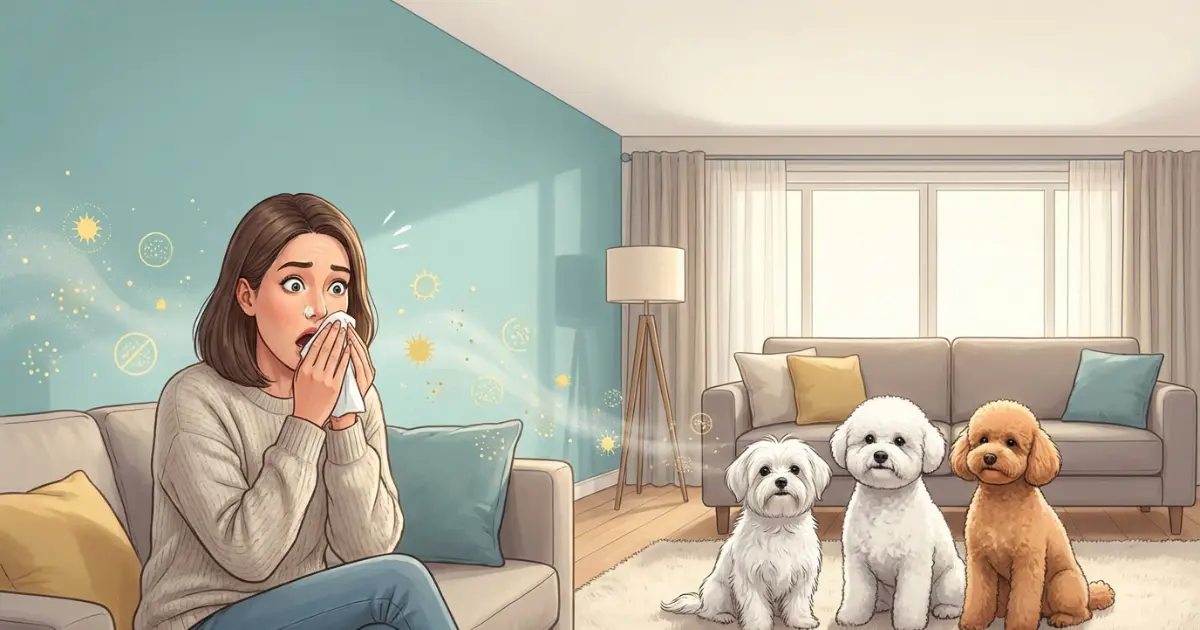
If you love dogs but sneeze every time you’re around one, you’re not alone. Millions of people deal with pet allergies, but that doesn’t mean you have to give up on your dream of having a furry companion. Small hypoallergenic dogs offer a solution that works for many allergy sufferers who want a compact, apartment-friendly pet.
The good news? Several small dog breeds produce fewer allergens than others, making them much more compatible with sensitive noses and watery eyes. Whether you live in a cozy apartment or simply prefer a smaller companion, there are plenty of adorable options that won’t leave you reaching for tissues all day.
Let’s explore what makes a dog hypoallergenic, which small breeds are the best choices, and how to manage allergies while enjoying life with your new best friend.
Are There Truly Hypoallergenic Dogs?
Here’s the honest truth: no dog is 100% hypoallergenic. The term “hypoallergenic” simply means these breeds are less likely to trigger allergic reactions, not that they’re completely allergen-free.
Most people assume dog fur causes allergies, but that’s actually a misconception. The real culprits are proteins found in a dog’s dander (dead skin cells), saliva, and urine. When dogs shed, these proteins spread throughout your home on loose hair and skin flakes.
Small hypoallergenic dogs typically share these characteristics:
- They shed minimally or have hair instead of fur
- They produce less dander than other breeds
- Their coat traps allergens rather than releasing them into the air
While these dogs won’t eliminate your allergies completely, many people with mild to moderate allergies find they can live comfortably with hypoallergenic breeds. The key is spending time with the specific breed before committing, since individual reactions vary from person to person.
Best Small Hypoallergenic Dogs
Ready to meet some adorable allergy-friendly companions? Here are eight wonderful small hypoallergenic dogs that combine low-allergen qualities with fantastic personalities.
1. Maltese
Size: 4-7 pounds, 8-10 inches tall
Temperament: Affectionate, playful, gentle, excellent with families
Shedding Level: Very low
Grooming Needs: High – daily brushing required, professional grooming every 4-6 weeks
The Maltese has been a beloved companion dog for thousands of years, and it’s easy to see why. Their long, silky white coat doesn’t shed much, making them one of the top choices for allergy sufferers. Despite their elegant appearance, Maltese dogs are surprisingly playful and energetic.
2. Bichon Frise
Size: 12-18 pounds, 9-12 inches tall
Temperament: Happy, cheerful, friendly, great with children
Shedding Level: Very low
Grooming Needs: High – requires regular brushing and professional grooming every 4-6 weeks
With their fluffy white coats and cheerful personalities, Bichon Frises look like little clouds of joy. Their curly coat catches loose hair and dander before it spreads around your home. These small hypoallergenic dogs are incredibly social and love being the center of attention.
3. Shih Tzu
Size: 9-16 pounds, 9-11 inches tall
Temperament: Loyal, friendly, outgoing, affectionate
Shedding Level: Very low
Grooming Needs: High – daily brushing recommended, professional grooming every 6-8 weeks
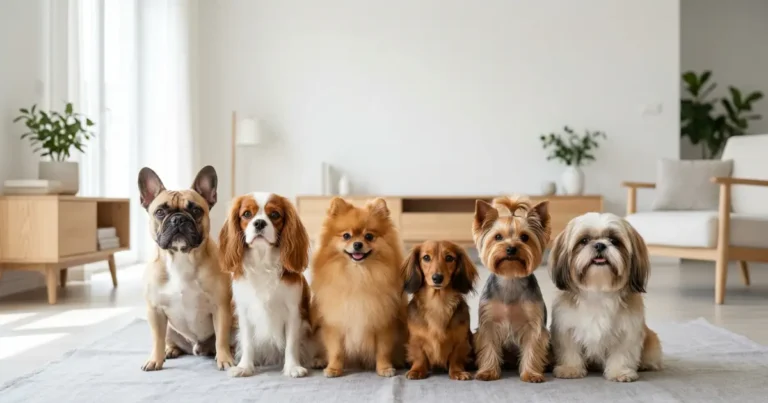
Originally bred as companions for Chinese royalty, Shih Tzus excel at their job even today. Their long, flowing coat requires commitment, but they shed very little and make wonderful lap dogs for people with allergies.
4. Yorkshire Terrier (Yorkie)
Size: 4-7 pounds, 7-8 inches tall
Temperament: Confident, brave, energetic, feisty
Shedding Level: Very low
Grooming Needs: Moderate to high – regular brushing, professional grooming every 6-8 weeks
Don’t let their tiny size fool you – Yorkies have big personalities packed into small bodies. Their fine, silky hair (not fur) grows continuously like human hair, which means minimal shedding and fewer allergens floating around your home.
5. Miniature Schnauzer
Size: 11-20 pounds, 12-14 inches tall
Temperament: Friendly, smart, alert, good with families
Shedding Level: Low
Grooming Needs: Moderate to high – brushing several times weekly, professional grooming every 6-8 weeks
Miniature Schnauzers are one of the most popular small hypoallergenic dogs, and for good reason. Their wiry double coat sheds minimally, and they’re incredibly intelligent and trainable. These little watchdogs are loyal companions with plenty of personality.
6. Havanese
Size: 7-13 pounds, 8-11 inches tall
Temperament: Social, gentle, playful, adaptable
Shedding Level: Very low
Grooming Needs: Moderate to high – brushing several times weekly
The Havanese is Cuba’s national dog and a true people-pleaser. Their soft, silky coat sheds very little, making them excellent for allergy sufferers. These dogs thrive on companionship and don’t like being left alone for long periods.
7. Coton de Tulear
Size: 8-15 pounds, 9-11 inches tall
Temperament: Happy, affectionate, intelligent, easygoing
Shedding Level: Very low
Grooming Needs: Moderate to high – regular brushing required
Named for their cotton-like coat, Coton de Tulears are charming companions with hypoallergenic qualities. They’re less commonly known than other breeds on this list, but they make wonderful pets for families with allergies.
8. Chinese Crested (Hairless variety)
Size: 8-12 pounds, 11-13 inches tall
Temperament: Affectionate, playful, alert, devoted
Shedding Level: None (hairless) or very low (powderpuff variety)
Grooming Needs: Low to moderate – skin care for hairless variety
For a truly unique option, the hairless Chinese Crested produces minimal allergens since they have little to no hair. They do require regular skin care, including sunscreen and moisturizing, but they’re incredibly loving and bond deeply with their owners.
Things to Consider Before Choosing a Small Hypoallergenic Dog
Finding the perfect small hypoallergenic dog involves more than just checking allergen levels. Here are important factors to think about before bringing home your new companion:
Your Allergy Severity: Spend time with the specific breed you’re considering before adopting. Visit breeders, friends, or shelters multiple times to see how your allergies respond. What works for one person might not work for another.
Grooming Commitment: Most small hypoallergenic dogs require regular professional grooming, which can cost $50-$100 or more per visit. Factor this into your budget along with at-home brushing time.
Energy Levels: Some breeds like Yorkshire Terriers are quite energetic, while others like Shih Tzus are more laid-back. Match the dog’s energy to your lifestyle to ensure everyone stays happy.
Training Needs: Small dogs can develop “small dog syndrome” if not properly trained. Consider the breed’s trainability and your willingness to invest time in training.
Health Considerations: Research common health issues for each breed. Some small hypoallergenic dogs are prone to dental problems, joint issues, or eye conditions that require ongoing care.
Living Space: While all these breeds work well in apartments, some need more exercise than others. Make sure you can meet your chosen breed’s activity requirements.
Grooming and Care Tips to Reduce Allergies
Choosing one of the small hypoallergenic dogs is just the first step. These grooming and care practices will help minimize allergens even further:
Brush Regularly: Daily brushing removes loose hair and dander before it spreads around your home. Brush outside when possible, or have a non-allergic family member handle this task.
Bathe Consistently: Bathing your dog every 2-4 weeks (depending on the breed) reduces dander buildup. Use a gentle, moisturizing dog shampoo to avoid skin irritation.
Professional Grooming: Regular trips to a professional groomer keep your dog’s coat healthy and minimize allergen production. Most small hypoallergenic dogs need grooming every 4-8 weeks.
Clean Your Home: Vacuum frequently with a HEPA filter vacuum, wash dog bedding weekly in hot water, and use air purifiers to capture airborne allergens.
Create Allergen-Free Zones: Keep your bedroom dog-free to give yourself an allergen-free space for sleeping. This alone can significantly reduce allergy symptoms.
Wipe Paws and Face: After outdoor walks, wipe your dog’s paws and face with pet-safe wipes to remove outdoor allergens they might track inside.
Consider Allergy Medications: Talk to your doctor about allergy medications or immunotherapy that might help you live more comfortably with your new pet.
FAQs About Small Hypoallergenic Dogs
What is the smallest hypoallergenic dog?
The Maltese and Yorkshire Terrier are among the smallest hypoallergenic breeds, typically weighing just 4-7 pounds when fully grown. Despite their tiny size, both breeds have big personalities and make excellent companions for allergy sufferers.
Do hypoallergenic dogs still cause allergies?
Yes, hypoallergenic dogs can still trigger allergies, but they typically cause fewer or milder reactions than other breeds. No dog is completely allergen-free since all dogs produce some level of dander, saliva, and urine proteins that cause allergic reactions.
Which small hypoallergenic dog is best for first-time owners?
The Bichon Frise and Havanese are excellent choices for first-time owners. Both breeds are friendly, adaptable, and relatively easy to train. They’re also social dogs that enjoy human companionship, making them forgiving of beginner mistakes.
How much do small hypoallergenic dogs cost?
Small hypoallergenic dogs from reputable breeders typically cost $1,000-$3,000 or more, depending on the breed and breeder reputation. Adoption from rescues or shelters costs significantly less, usually $200-$500, and many hypoallergenic breeds are available through breed-specific rescue organizations.
Do hypoallergenic dogs need less grooming?
Actually, the opposite is often true. Most small hypoallergenic dogs require more grooming than typical breeds because their low-shedding coats need regular brushing and professional trimming to prevent matting and maintain coat health.
Conclusion: Choosing the Right Dog for Allergies
Living with allergies doesn’t mean you have to give up on dog ownership. Small hypoallergenic dogs offer wonderful companionship with significantly fewer allergens than other breeds. Whether you choose a playful Yorkie, a gentle Maltese, or a cheerful Bichon Frise, you’re opening your home to years of love and loyalty.
Remember that success with small hypoallergenic dogs depends on choosing the right breed for your allergy level and lifestyle, committing to regular grooming, and maintaining a clean home environment. Spend time with your chosen breed before making a final decision, and don’t hesitate to consult with allergists or veterinarians for personalized advice.
The perfect allergy-friendly companion is out there waiting for you. With the right preparation and realistic expectations, you can enjoy all the joys of dog ownership without constantly reaching for tissues and antihistamines.
related articles: