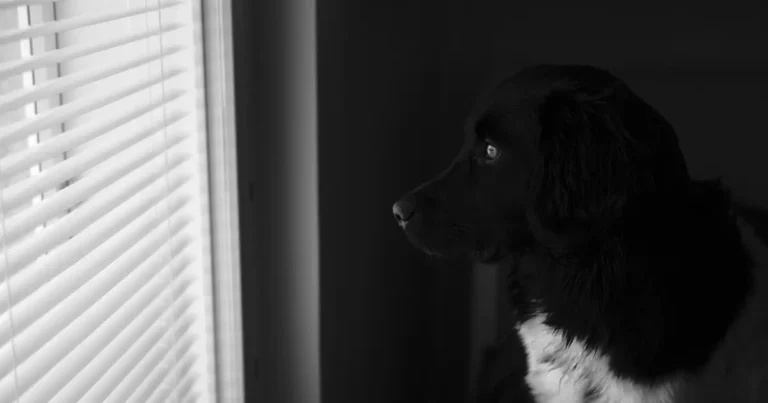

Puppy Whining in Crate: 7 Mistakes to Avoid (and How to Finally Get Some Sleep)
Table of Contents
introduction
It’s 2 AM, and your puppy won’t stop whining.
You’re lying in bed, exhausted, staring at the ceiling while your new furry family member sounds like they’re auditioning for a canine opera. You’ve tried ignoring it. You’ve tried soothing words. You might have even questioned every life decision that led you to this sleep-deprived moment.
Trust me, you’re not alone. Nearly every puppy parent has dealt with puppy whining in crate situations—bleary-eyed, frustrated, and wondering if this phase will ever end.
Here’s the good news: most puppy whining in crate problems aren’t about your puppy being difficult or you being a bad pet parent. Often, they’re the result of common, fixable mistakes that actually make the whining worse. In this article, I’ll walk you through seven of these mistakes and, more importantly, show you exactly how to correct them so both you and your puppy can finally get some peace.
Why Puppies Whine in the Crate
Before we dive into the mistakes, let’s talk about why this happens in the first place.
Puppies are hardwired to stay close to their pack. In the wild, separation means danger, so when your little one finds themselves alone in a crate, their instincts kick in. They’re essentially saying, “Hey! I’m over here! Don’t leave me!”
Beyond those natural separation instincts, puppies whine for pretty practical reasons:
They need to potty. Young puppies have tiny bladders and can’t hold it for long. A three-month-old pup typically needs bathroom breaks every 3-4 hours, even overnight.
They’re bored or understimulated. Puppies have energy to burn, and a tired puppy is a quiet puppy.
They’re uncomfortable. Maybe the crate’s too small, too cold, or just not cozy enough.
They’ve learned it works. If whining has gotten them attention or freedom in the past, they’ll keep trying it.
Now, here’s an important distinction: there’s normal “I’m adjusting” whining that lasts a few minutes, and then there’s distressed, panicked whining that doesn’t stop. The former is part of the learning process. The latter needs immediate attention and possibly a chat with your vet or a professional trainer. If your puppy is panting heavily, drooling excessively, or seems truly panicked, those are red flags worth investigating.
Mistake #1 – Putting Your Puppy in the Crate Too Soon
Picture this: You bring home your eight-week-old puppy on Saturday morning. By Saturday night, you pop them in a crate and expect them to settle down peacefully. Spoiler alert—that rarely works.
The biggest mistake new puppy owners make is treating crate training like a done deal rather than a process. When you rush this introduction, puppy whining in crate episodes are almost guaranteed. Your puppy needs to learn that the crate is their safe space, not a prison.
The fix: Introduce the crate gradually over several days or even weeks. Leave the door open and toss treats inside. Feed meals near or in the crate. Let your puppy explore it on their terms. Once they’re voluntarily hanging out in there, you can start closing the door for short periods while you’re nearby.
Think of it like teaching a child to love their bedroom—you don’t just lock them in and hope for the best. You make it comfortable, familiar, and associated with good things. This gradual approach significantly reduces puppy whining in crate situations from the start.
Mistake #2 – Ignoring Whining Completely
You’ve probably heard the advice: “Never respond to whining or you’ll reinforce it.” While there’s truth to that, it’s not the whole story when dealing with puppy whining in crate training.
Here’s what many puppy training guides don’t tell you: there’s a massive difference between manipulation whining and distress whining. Manipulation whining sounds like, “I want out because I’m bored and I know you’ll cave.” Distress whining sounds like genuine panic or urgent need.
The fix: Learn to read your puppy’s signals. If they’ve just had a potty break, exercise, and cuddle time, and they start whining five minutes into crate time, that’s likely manipulation. Wait it out. Don’t make eye contact, don’t talk to them, don’t react.
But if your puppy whining in crate scenarios happens at odd hours or with increasing intensity, do a quick mental checklist: When did they last go outside? Are they showing signs of illness? Could something be genuinely wrong?
I learned this the hard way with my own puppy, Max. One night he was whining more desperately than usual, and I almost ignored it completely. Turns out, he had an upset stomach and really needed to go out. Ignoring that would’ve meant a messy crate and a setback in our training. Trust your gut—you know your puppy.
Mistake #3 – Using the Crate as Punishment
“Go to your crate!” shouted in frustration after your puppy chews your favorite shoes will destroy any positive association they have with that space.
The crate should never be where puppies go when they’re “bad.” It should be their bedroom, their den, their safe retreat from the chaos of the world. Using it as timeout central teaches them to fear or resent it, which will absolutely increase puppy whining in crate episodes and undermine all your training efforts.
The fix: Only use the crate for positive purposes—naptime, bedtime, safe containment when you can’t supervise, and peaceful alone time. Always pair crate time with something good: a special treat, a stuffed Kong toy, or a calm, happy tone of voice.
If you need to remove your puppy from a situation (like jumping on guests), redirect them to another activity or space, but never angrily force them into the crate. The energy you bring to crate time matters enormously. When the crate represents safety and comfort rather than punishment, puppy whining in crate situations naturally decreases.
Mistake #4 – Inconsistent Routine
Dogs thrive on predictability. Puppies especially need routine because their little bodies and brains are still figuring out how the world works.
If your puppy eats breakfast at 7 AM one day and 10 AM the next, or they go out for potty breaks at random intervals, their internal clock gets confused. This unpredictability creates anxiety, and anxious puppies whine. In fact, an inconsistent schedule is one of the top contributors to persistent puppy whining in crate training.
The fix: Establish a consistent daily routine and stick to it as closely as possible. This means:
- Regular feeding times (usually 2-3 times per day for puppies)
- Scheduled potty breaks (after waking up, after meals, after play, before bed)
- Consistent bedtime and wake-up times
- Predictable exercise and play sessions
When your puppy knows what to expect and when, they feel more secure. That security translates directly to less whining and better crate acceptance. Yes, life happens and schedules occasionally shift, but aim for consistency at least 80% of the time.
Mistake #5 – Over-Crating During the Day
Here’s a rule of thumb that’s easy to remember: puppies can typically hold their bladder for one hour per month of age, plus one. So a three-month-old puppy shouldn’t be crated for more than four hours at a stretch during the day.
Beyond the physical limitations, puppies need social interaction, mental stimulation, and just plain freedom to be puppies. A crate is for rest and safety, not isolation and warehousing. Over-crating often leads to increased puppy whining in crate scenarios because your pup is simply bored, lonely, or needs to move around.
The fix: Use the crate strategically. It’s perfect for naptime, overnight sleep, and short periods when you can’t directly supervise. But during the day, aim for a balance. If you work full-time, consider a dog walker, doggy daycare, or a puppy-proofed playpen setup that gives them more space.
When I first got my puppy, I felt guilty leaving her for even an hour. A trainer reminded me that puppies actually sleep 18-20 hours a day. The key is breaking up awake time with supervised play, training, and socialization—then using the crate for those long naps. It’s not about the total hours; it’s about meeting their developmental needs throughout the day.
Mistake #6 – Lack of Comfort Items
Would you want to sleep in an empty, cold box? Neither does your puppy.
Many cases of puppy whining in crate situations improve dramatically with simple comfort adjustments. The crate shouldn’t be a bare, sterile environment—it should feel like a cozy den that your puppy actually wants to spend time in.
The fix: Set your puppy up for success with these comfort essentials:
Soft bedding: A plush crate pad or calming dog bed (like the popular orthopedic memory foam options with anti-anxiety features) makes a huge difference. Look for machine-washable options since accidents happen. Many pet parents swear by calming beds with raised edges that provide a sense of security and help eliminate puppy whining in crate problems.
A worn t-shirt: Take an old shirt you’ve worn (unwashed, so it smells like you) and place it in the crate. Your scent is incredibly comforting to a puppy and can work wonders for reducing anxiety-based whining.
White noise: A fan, white noise machine, or calming music designed for dogs can mask household sounds that might trigger whining. There are even Spotify playlists specifically for anxious puppies—yes, really.
Safe chew toy: A durable rubber toy stuffed with frozen peanut butter or puppy-safe treats gives them something to do and self-soothe with.
One word of caution: if your puppy is still in the destructive chewing phase, monitor what goes in the crate. Some puppies will shred bedding and potentially swallow pieces, which is dangerous. In that case, a simple towel might be safer until they mature a bit.
Mistake #7 – Not Giving Enough Exercise
“A tired puppy is a good puppy” isn’t just a cute saying—it’s absolute truth, especially when it comes to preventing puppy whining in crate training sessions.
Puppies have boundless energy, and if they don’t burn it off appropriately, it manifests as whining, destructive behavior, and general chaos. Expecting a puppy who hasn’t had exercise to settle quietly in a crate is like asking a toddler hopped up on sugar to sit still for an hour. It’s just not realistic.
The fix: Before crate time, especially before bed, make sure your puppy has had adequate physical and mental exercise. For young puppies, this doesn’t mean marathon runs (that can actually damage developing joints), but rather:
- Short play sessions with appropriate toys
- Brief training sessions (5-10 minutes of basic commands)
- Sniffing walks where they can explore smells at their own pace
- Puzzle toys and games that engage their brain
Mental stimulation is just as exhausting as physical exercise. Fifteen minutes of training can tire a puppy out as much as a 30-minute walk. The goal is to help them reach that peaceful, content exhaustion where sleep is actually appealing.
My puppy’s whining decreased by at least 70% once I figured out the right exercise formula. We do a play session, a quick training session, a potty break, and then crate time. She usually passes out within minutes because she’s genuinely ready to rest. This routine practically eliminated our puppy whining in crate challenges overnight.
When to Be Concerned About Whining
While most puppy whining in crate cases resolve with patience and proper training, sometimes there’s a deeper issue at play that requires professional attention.
Contact your veterinarian or a certified dog behaviorist if you notice:
- Excessive, escalating panic: Frantic scratching, self-injury attempts, urination/defecation from fear, or nonstop panicked vocalization that doesn’t improve over weeks
- Signs of illness: Whining accompanied by lethargy, loss of appetite, vomiting, diarrhea, or other symptoms
- Regression: A puppy who was doing well suddenly starts whining intensely again
- Trauma history: Puppies from rescue situations or those who’ve had negative crate experiences may need professional intervention
True separation anxiety is different from normal puppy adjustment. If your puppy shows extreme distress even when you’re in the same room or can’t calm down after extended training periods, professional help isn’t a failure—it’s responsible pet parenting.
The Light at the End of the Tunnel
Here’s what I want you to remember on those tough nights when dealing with puppy whining in crate training: this phase is temporary.
The seven mistakes we’ve covered—rushing the introduction, ignoring all whining, using punishment, lacking routine, over-crating, skipping comfort items, and insufficient exercise—are all fixable. You now have a roadmap to address each one and finally solve your puppy whining in crate problems for good.
Crate training isn’t about being mean or forcing your puppy into submission. It’s about teaching them that they have a safe, comfortable space of their own. When done right, most puppies grow to love their crates and voluntarily nap there even with the door wide open.
Be patient with your puppy, but also be patient with yourself. You’re both learning. Some nights will be better than others, and that’s completely normal. Consistency, kindness, and time are your best tools.
Before you know it, those 2 AM whining sessions will be a distant memory, replaced by peaceful nights and a well-adjusted dog who sees their crate as a bedroom rather than a prison.
For more detailed strategies on those first challenging nights, check out our comprehensive guide on Crate Training a Puppy at Night, where we dive deeper into nighttime routines, potty schedules, and troubleshooting common sleep issues.
You’ve got this. Your puppy is lucky to have someone who cares enough to get it right. Sweet dreams are coming—for both of you.