Chihuahua Personality: Traits, Temperament & What Owners Should Expect
Table of Contents
If you’ve ever met a Chihuahua, you know they’re not your average lapdog. These tiny dogs pack more attitude per pound than breeds three times their size. But here’s the thing: the chihuahua personality is way more complex than the yappy, purse-dwelling stereotype suggests.
I’ve spent years writing about dogs, and Chihuahuas might just be the most misunderstood breed out there. They’re fiercely loyal, surprisingly brave, and yes, sometimes a little bossy. But understanding what makes them tick can transform your relationship with these pint-sized companions.
Whether you’re already sharing your life with a Chi or considering bringing one home, let’s dig into what really shapes their unique temperament.
Why Chihuahua Personality Is Often Misunderstood
Let’s be honest: Chihuahuas have a reputation problem.
Pop culture loves painting them as trembling, aggressive little ankle-biters. You’ve seen the memes and the movies. But this caricature does a massive disservice to the breed.
The truth? Much of what people think is “typical Chihuahua behavior” is actually the result of how they’re treated, not who they inherently are.
Here’s what commonly gets misread:
They’re not naturally aggressive—they’re protective. That barking at strangers? It’s guarding behavior, the same instinct you’d praise in a German Shepherd. We just take it less seriously because the dog weighs four pounds.
They’re not “yappy” without reason. Many Chihuahuas bark excessively because their warnings get ignored. When your alerts don’t get acknowledged, you escalate. It’s pretty logical when you think about it.
They’re not fragile drama queens. Yes, they’re small. But Chihuahuas are surprisingly tough, athletic dogs descended from ancient Mexican companion breeds. The shaking you often see? Usually cold, stress, or excitement, not weakness.
The real chihuahua personality emerges when these dogs are respected as actual dogs, not living accessories. Treat them like the intelligent, capable animals they are, and you’ll discover a completely different companion.
Core Chihuahua Personality Traits
So what’s a Chihuahua really like when properly understood? Let me break down the traits you can genuinely expect.
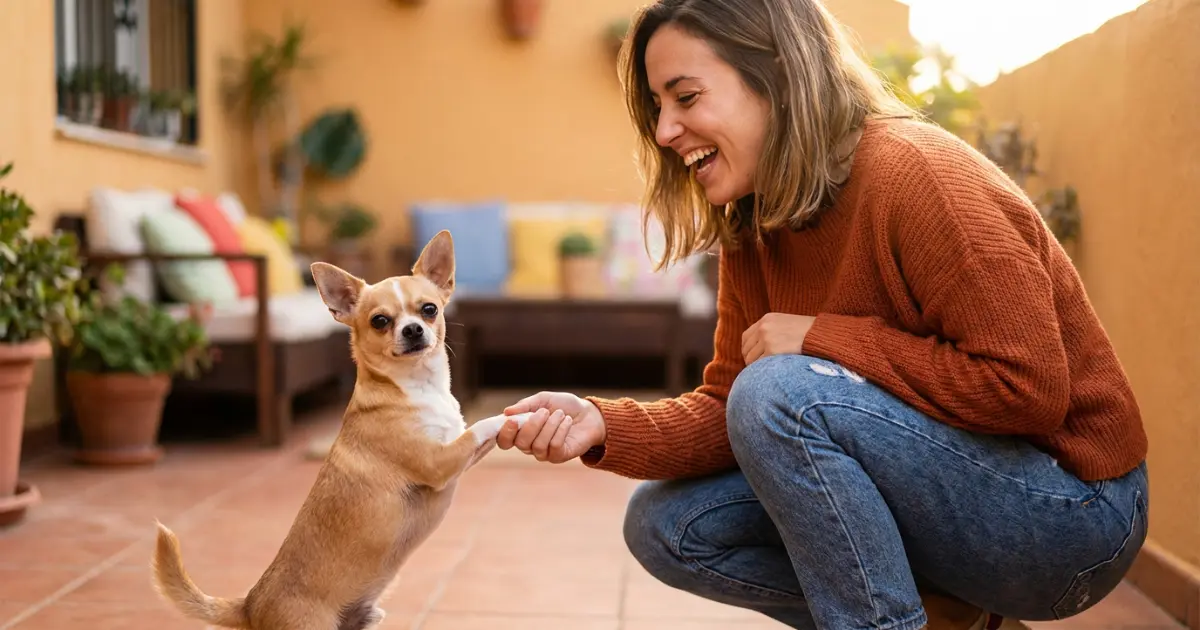
Loyal to the point of obsession. Chihuahuas typically bond intensely with one or two people. Once you’re their person, you’re THEIR person. They’ll follow you room to room, demand to be wherever you are, and genuinely seem to believe that protecting you is their life’s mission. This isn’t neediness—it’s devotion.
Confident and surprisingly fearless. Here’s where it gets interesting. Most Chihuahuas don’t realize they’re small. They’ll challenge dogs ten times their size without hesitation. This bravery made them excellent watchdogs throughout history, but it also means you need to protect them from their own courage.
Intelligent and trainable (when motivated). The chihuahua personality includes a sharp mind and a stubborn streak. They can learn commands quickly—if they see the point. They’re not labs who live to please. They’re more like “what’s in it for me?” thinkers. High-value treats work wonders.
Alert and observant. Nothing happens in a Chihuahua’s territory without their knowledge. They notice everything: the mail carrier’s schedule, your mood shifts, strangers three houses down. This awareness makes them excellent alert dogs but can contribute to anxiety if not properly managed.
Affectionate on their own terms. Chihuahuas love cuddling, but they decide when and how. Many adore burrowing under blankets with their favorite humans. Others prefer being near you without constant touching. They’re not unfriendly—they just have boundaries.
Playful with surprising energy. Despite their reputation as lap warmers, Chihuahuas can be remarkably active. They enjoy games, short walks, and interactive play. That terrier lineage shows up in their love of chasing and “hunting” toys.
Understanding the chihuahua personality means recognizing these core traits, though individual dogs vary based on genetics, socialization, and life experiences. These characteristics show up consistently across well-adjusted members of the breed.
Chihuahua Personality With Family vs Strangers
This is where things get really interesting, because Chihuahuas are basically two different dogs depending on who they’re interacting with.
With their chosen people:
Imagine having a tiny shadow who thinks you hung the moon. That’s life with a bonded Chihuahua.
They’re affectionate, relaxed, and often downright silly at home. You’ll see the zoomies, the play bows, the belly-up snoozing. They’ll “talk” to you with their full range of sounds—grumbles, yips, satisfied sighs. With family, their guard drops and their softer side shines through.
Many Chihuahuas become especially attached to one person while remaining friendly with other household members. Don’t take it personally if you’re not “the chosen one”—it’s just how they’re wired. The favorite usually gets followed everywhere, receives the most intense stares, and becomes the preferred lap.
Kids can be great with Chihuahuas IF the children are calm and respectful. The key word there is “if.” Rough handling, loud noises, and unpredictable movements stress these dogs out. But gentle children who understand boundaries often form beautiful friendships with family Chis.
With strangers and guests:
Now flip the script entirely.
That same cuddly lap dog transforms into a suspicious little sentinel when unfamiliar people enter their space. The typical chihuahua personality toward strangers involves:
- Intense barking to announce the intrusion
- Keeping distance while assessing the threat level
- Staying close to their person for backup
- Possibly warming up after 10-30 minutes (or not)
Some Chihuahuas never fully relax around new people, and honestly? That’s okay. They’re not golden retrievers. Forcing interactions usually backfires. The better approach is allowing them to observe from a safe distance and approach on their own timeline.
Proper early socialization helps tremendously. Chihuahuas exposed to various people, places, and experiences as puppies tend to be more adaptable adults. But even well-socialized Chis often remain selective about their social circle.
This isn’t aggression—it’s their natural temperament as companion and watchdogs. They’re doing exactly what centuries of breeding designed them to do.
Are Chihuahuas Aggressive or Just Protective?
Let’s tackle the elephant in the room: the “aggressive Chihuahua” stereotype.
Here’s what I’ve learned after years of researching dog behavior: what most people label as aggression in Chihuahuas is actually fear-based reactivity or misdirected protection. There’s a difference, and it matters.
True aggression vs. protective behavior:
A truly aggressive dog attacks unprovoked, with intent to harm, and shows no calming signals beforehand. That’s rare in Chihuahuas.
What’s common? A dog who feels threatened (often because they’re small and vulnerable), warns with barking or growling, and escalates only if the warning is ignored. That’s defensive behavior, not aggression.
Similarly, that infamous “Chihuahua attitude” toward other dogs often stems from:
- Lack of proper dog socialization as puppies
- Being carried or picked up when other dogs approach (teaches them they’re right to be worried)
- Previous negative experiences with larger dogs
- Feeling the need to appear big and scary for self-preservation
The small dog syndrome factor:
I need to be direct about this: many behavioral issues in Chihuahuas are owner-created.
When we excuse behaviors in small dogs that we’d never tolerate in large breeds, we fail them. That means:
- Not addressing barking because “it’s cute”
- Skipping training because “they’re too small to cause damage”
- Allowing resource guarding, snapping, or lunging
- Picking them up instead of working through their fear
Chihuahuas are capable of learning boundaries, walking on leashes without reacting, and coexisting peacefully with other animals. When we don’t expect or teach this, we create anxious, poorly-behaved dogs who seem “naturally aggressive.”
What you can do:
The chihuahua personality responds incredibly well to consistent, positive training. They’re smart enough to learn proper behavior and calm enough to practice it—when given the chance.
Start socialization early if possible. Reward calm behavior around triggers. Never punish fear (it makes things worse). Work with a qualified trainer if reactivity becomes problematic.
Most importantly, treat your Chihuahua like a dog who can handle normal dog situations. They’re tougher than you think.
How Environment Shapes a Chihuahua’s Personality
If I could make every potential Chihuahua owner understand one thing, it’s this: nurture influences nature when it comes to these spirited little dogs.
Two Chihuahuas from the same litter can develop completely different temperaments based on their experiences. Let’s break down what matters most.
Socialization windows matter critically.
Between 3 and 14 weeks old, puppies have a brief socialization period where new experiences become “normal” rather than “scary.” Miss this window, and you’ll likely have a more fearful, reactive adult dog.
Quality breeders start this process early. But once you bring a puppy home, the work continues. Positive exposure to different people, sounds, surfaces, and situations builds confidence. This doesn’t mean overwhelming them—it means gradual, positive experiences at their pace.
Rescue Chihuahuas who missed early socialization can improve with patience, but it takes longer. They can absolutely become wonderful companions, just with realistic expectations about their comfort zones.
Handling and physical treatment:
Remember, Chihuahuas feel vulnerable. They’re small in a big world. How you physically interact with them shapes their behavior and confidence.
Constant coddling creates anxiety. Always being carried, never walking on their own, being snatched up at the first sign of anything unfamiliar—this teaches them the world is dangerous and they can’t handle it.
Conversely, rough handling or allowing others (especially children) to grab, squeeze, or disturb them creates defensive behaviors. They learn that people equal stress, so they’d better warn people away.
The sweet spot? Treat them with respect. Gentle handling, allowing them to explore at ground level, building confidence through positive experiences.
Living situation impacts behavior:
The chihuahua personality adapts to environment, for better or worse.
Calm households tend to produce calmer dogs. If your home is quiet and predictable, your Chi will likely be more relaxed.
Chaotic environments with lots of visitors, noise, and activity can create stressed, reactive Chihuahuas. They’re not naturally high-strung—they’re overstimulated.
Multi-pet homes require careful management. Chihuahuas often do best with other small, calm dogs. Large, energetic dogs can overwhelm them, leading to fear-based reactions.
Alone time matters too. Chihuahuas prone to separation anxiety need gradual training to handle independence. Ironically, never leaving them alone makes this worse, not better.
Your energy affects theirs:
Dogs are masters at reading human emotions. If you’re anxious when other dogs approach, your Chihuahua picks up on that. If you’re tense meeting new people, they assume there’s a reason to be worried.
I’ve watched confident owners transform “difficult” Chihuahuas simply by remaining calm and matter-of-fact in situations that previously triggered reactions. Your dog looks to you for cues about safety.
The bottom line? The behavior and temperament you experience is partly genetics, partly how you’ve shaped their world. That’s actually good news, because it means you have significant influence over the outcome.
Is the Chihuahua Personality Right for You?
Now for the real question: should you actually get a Chihuahua?
Despite their popularity, they’re not the right fit for everyone. And that’s perfectly okay. Understanding the full picture of their traits, temperament, and needs helps you make an honest decision.
Chihuahuas thrive with:
People who want a devoted companion. If you’re looking for a dog who’ll be your constant sidekick, genuinely bonding with you above all others, Chihuahuas excel at this. They’re not aloof or independent. They want to be involved in your life.
Adults or families with older, calm children. The best Chihuahua homes understand that these dogs need gentle, predictable interactions. Families with young kids can work, but require serious supervision and teaching appropriate handling.
Those willing to train and socialize properly. You can’t coast with a Chihuahua. They need structure, boundaries, and exposure to the world despite their size. If you’re committed to doing the work, you’ll have an amazing dog.
Apartment dwellers or those with limited space. Obviously, they don’t need a yard. But they do need mental stimulation and short walks. They’re adaptable to small living spaces when their needs are met.
People who appreciate big personality in a small package. If you love dogs with character, confidence, and opinions, Chihuahuas deliver. They’re entertaining, expressive, and never boring.
Chihuahuas struggle with:
Families wanting an easy-going, everyone’s-best-friend dog. That’s not how these dogs operate. They’re selective, protective, and need proper management. If you want a dog guests can immediately pet and play with, look elsewhere.
Very active households with large, energetic dogs. While some Chis coexist beautifully with big dogs, many find them overwhelming. If you have a hyper lab puppy, adding a Chihuahua often creates stress for everyone.
People who won’t set boundaries. If you think small dogs don’t need training, or you can’t handle enforcing rules consistently, you’ll end up with a tyrannical little dictator who makes everyone miserable.
Those away from home most of the day. Chihuahuas can develop serious separation anxiety. They’re not independent “leave them all day” dogs. They need companionship, whether from you or another pet.
Anyone unwilling to protect them from their own bravery. These dogs will challenge anything. You must be the sensible one, preventing them from getting into dangerous situations their confidence writes checks for.
The honest truth:
The chihuahua personality is intense. They’re not low-maintenance despite their size. They demand training, socialization, dental care, warmth management, and emotional connection.
But for the right person? They’re absolutely magical. Fierce little protectors who think you’re everything. Funny, affectionate companions who keep you laughing. Dogs with enough personality to fill a house, regardless of their pocket-sized bodies.
Before committing, spend time with the breed. Talk to reputable breeders or rescue organizations. Be honest about your lifestyle. A Chihuahua deserves a home that appreciates and accommodates their unique temperament, not one that expects them to be something they’re not.
If you’d like to explore a closely related topic, you may also find our other Chihuahua articles helpful:
Three Health Issues That Chihuahuas Have
Chihuahua Health Issues: Common Conditions, Symptoms, and Prevention
Chihuahua Behavior Problems: 7 Common Issues and Practical Solutions