Breed Dog Small: A Complete Guide for Future Owners
introduction
Choosing the right breed dog small for your home can feel overwhelming with so many adorable options available. Small dogs have become incredibly popular among pet owners, and for good reason. They adapt well to apartment living, require less space, and often make wonderful companions for both individuals and families.
Whether you’re a first-time dog owner or considering adding a smaller pup to your household, understanding what makes a breed dog small unique will help you make the best decision. This guide breaks down everything you need to know about small dog breeds, from their size and personality to their specific care requirements.
What Defines a Breed Dog Small?
A breed dog small is typically defined by adult weight rather than height. Most experts classify small dogs as weighing between 5 and 22 pounds when fully grown. Some organizations further divide this group into toy dogs (under 10 pounds) and small breeds (10 to 22 pounds).
Despite their compact size, these dogs often have big personalities. Many people are surprised to learn that certain small breeds require as much exercise and mental stimulation as medium or large dogs. Size alone doesn’t determine energy level or intelligence.
Another important aspect of a breed dog small is physical structure. Smaller bones and lighter frames mean these dogs can be more sensitive to rough handling and extreme temperatures. Understanding these traits helps owners provide safer and more appropriate care.
Popular Types of Breed Dog Small Options
There is remarkable diversity within the breed dog small category. Each type offers different temperaments, grooming needs, and activity levels.
Companion Breeds
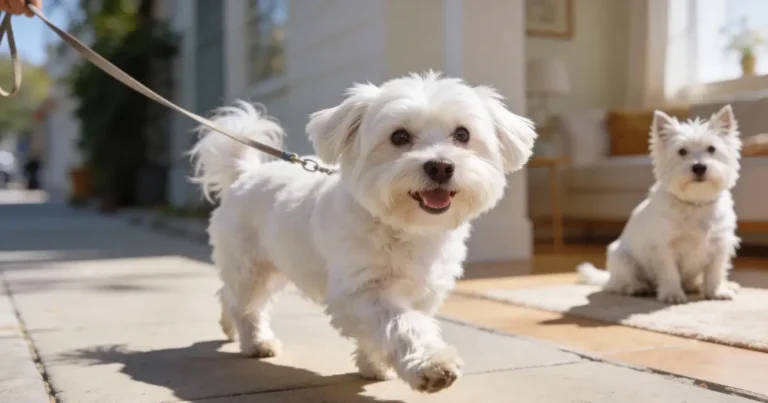
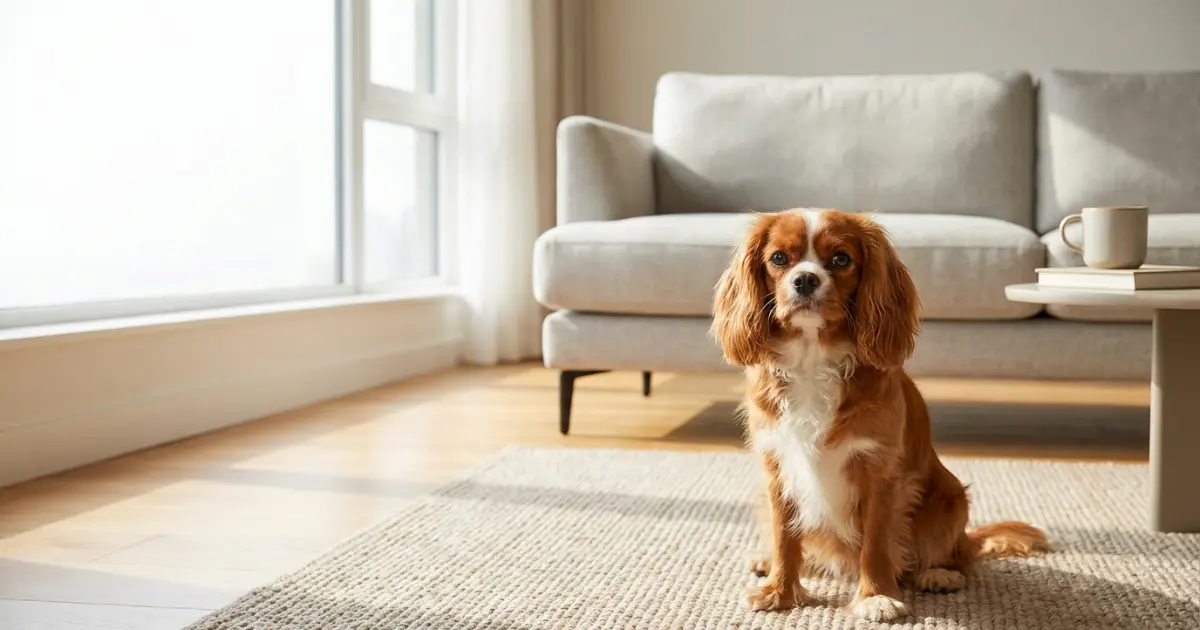
Companion dogs such as the Shih Tzu, Maltese, and Cavalier King Charles Spaniel were bred primarily for affection. These small dogs are usually gentle, people-oriented, and happiest when spending time with their owners.
Terrier Breeds
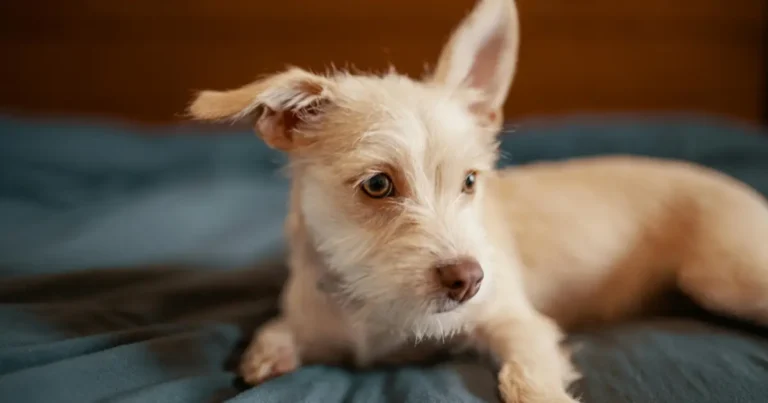
Terriers like the Yorkshire Terrier and Jack Russell Terrier bring energy and confidence. Although they fall under the breed dog small category, they often have strong personalities and need consistent training and mental challenges.
Toy Breeds
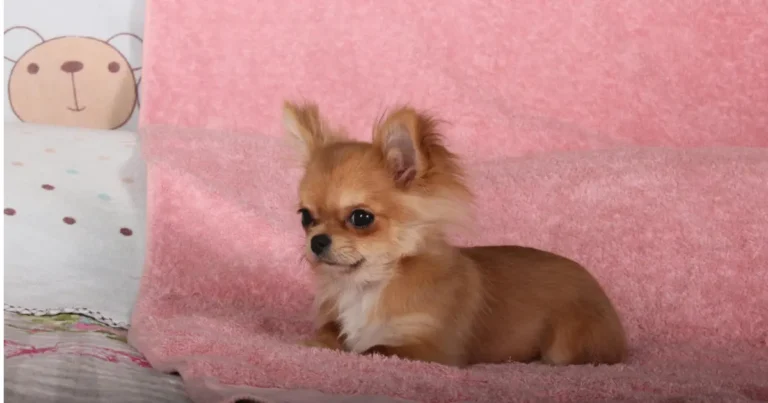
Toy dogs, including Chihuahuas and Pomeranians, are the smallest members of the group. A toy breed dog small can be ideal for limited living spaces, but they still require proper socialization and training to avoid behavioral issues.
Lifestyle and Temperament Considerations
Not every breed dog small is suited to every lifestyle. Some thrive in active households, while others prefer calm environments.
Energy levels can vary widely. For example, a Miniature Pinscher may need daily play and walks, while a Pug is usually content with shorter outings. Matching a dog’s energy to your routine is essential for long-term harmony.
Training is just as important for small dogs as it is for large ones. A well-trained breed dog small is more confident, easier to manage, and more enjoyable to live with. Positive reinforcement works especially well with smaller breeds.
Grooming, Exercise, and Health Needs
Caring for a breed dog small involves understanding its ongoing needs.
- Grooming: Coat types range from short and low-maintenance to long and high-maintenance. Regular brushing, dental care, and nail trimming are essential.
- Exercise: Most small dogs need at least 30 minutes of daily activity. Mental stimulation is just as important as physical exercise.
- Health: Dental issues, patellar luxation, and sensitivity to cold are more common in small breeds. Routine veterinary visits help prevent serious problems.
Because of their size, a breed dog small may also need more frequent meals during puppyhood to maintain stable blood sugar levels.
FAQs About Breed Dog Small
Are small dogs easier to care for?
A breed dog small may eat less and take up less space, but care requirements vary. Some need frequent grooming or have specific health concerns.
Do small dogs live longer?
In general, yes. Many small breeds live 12–16 years or longer, making a breed dog small a long-term commitment.
Are small dogs good for beginners?
Many are, especially companion breeds. However, high-energy or stubborn small dogs may challenge first-time owners.
Conclusion
Choosing the right breed dog small means looking beyond size and focusing on temperament, lifestyle compatibility, and care requirements. Small dogs offer incredible variety, from energetic terriers to calm lap companions, making it easier to find the perfect match.
With proper training, care, and attention, a breed dog small can bring years of companionship and joy. Take your time researching breeds, meeting dogs in person, and honestly assessing your lifestyle before making a decision. The right choice will reward you with a loyal and loving companion for many years to come.
You might also like these articles:
Small White Dog Breeds: Care, Grooming, and Personality