Best Small Dog Harness for Comfort, Safety, and Control
Table of Contents
Why Choosing the Right Harness Matters for Small Dogs
If you have a small dog, you know that walks can sometimes feel like a tug-of-war. Your little companion pulls, you pull back, and before you know it, your pup is coughing or straining against their collar. This is where a small dog harness makes all the difference.
Unlike collars that put pressure on your dog’s delicate neck and throat, a harness distributes force across the chest and shoulders. This is especially important for small breeds like Chihuahuas, Yorkshire Terriers, and Pomeranians, which are prone to collapsed tracheas and respiratory issues.
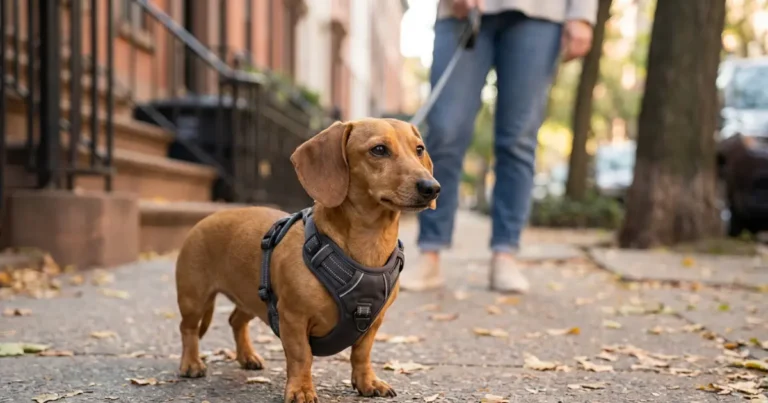
Beyond health benefits, the right small dog harness gives you better control during walks, prevents escape artists from slipping out, and makes training easier. Whether you’re dealing with a puller, a nervous walker, or a curious explorer, choosing the right harness can transform your daily outings from stressful to enjoyable.
Types of Small Dog Harnesses
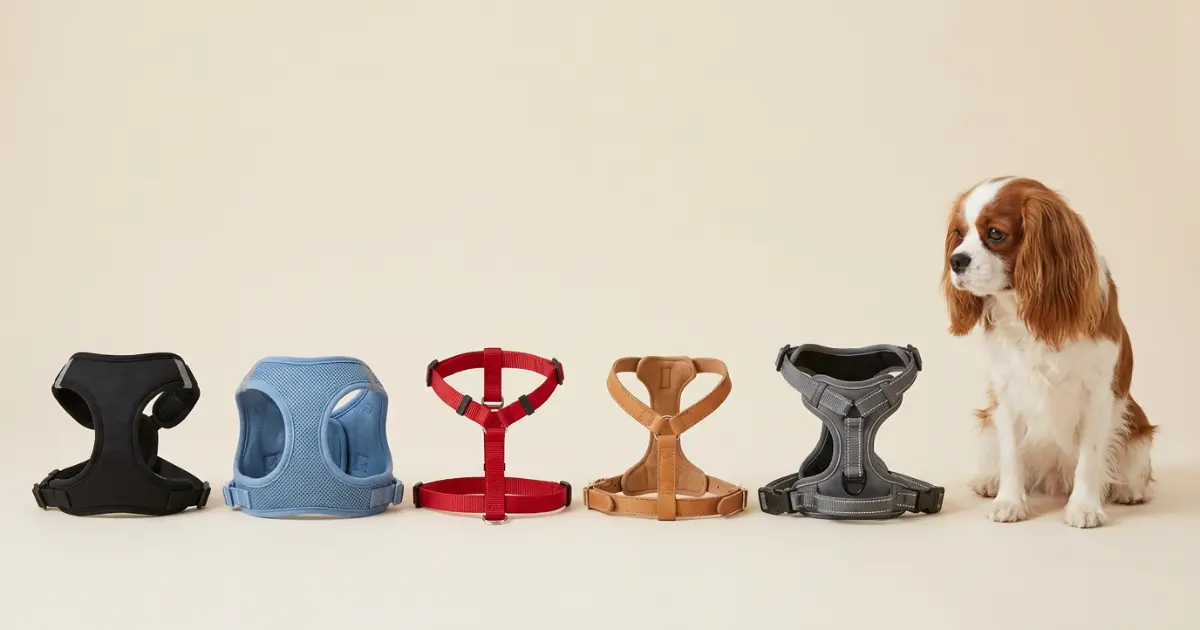
Not all harnesses are created equal. Understanding the different types will help you pick the best small dog harness for your pup’s specific needs.
Step-In Harness
Your dog steps into two loops, and you secure it on their back. This design is perfect for dogs who don’t like things going over their heads.
Overhead Harness (Vest-Style)
This goes over your dog’s head and clips around the chest. Vest-style harnesses offer more coverage and are often padded for extra comfort.
No-Pull Harness
Features a front clip that redirects your dog’s forward motion when they pull. This type is ideal for training and managing strong pullers.
Back-Clip Harness
The leash attaches to a ring on the back. These are great for calm walkers but offer less control for dogs who pull.
Dual-Clip Harness
Combines front and back leash attachment points, giving you flexibility depending on the situation.
Best Small Dog Harness Options
Here are some top-performing harnesses that small dog owners love:
1. Rabbitgoo No-Pull Dog Harness
This adjustable harness features both front and back clips, making it versatile for training and everyday walks. The padded chest plate prevents chafing, and the reflective straps add nighttime visibility. It’s particularly well-suited for small dogs who pull occasionally.
Best for: Training pullers and active small dogs
2. Puppia Soft Vest Harness
Known for its comfort, this step-in style harness feels more like a soft shirt than restrictive gear. The breathable mesh keeps dogs cool, and the simple two-clip design makes it easy to put on squirmy pups.
Best for: Daily walks and dogs sensitive to pressure
3. Ruffwear Front Range Harness
Built with durability in mind, this harness features two leash attachment points and padded chest and belly straps. It’s slightly heavier than other options but offers excellent control and longevity.
Best for: Adventurous dogs and outdoor activities
4. Voyager Step-In Air Harness
Lightweight and breathable with all-over mesh construction. The step-in design and quick-release buckle make it perfect for dogs who hate the overhead harness style.
Best for: Hot climates and anxious dogs
5. Julius-K9 Powerharness
This sturdy harness has a handle on top for extra control in crowded areas. While bulkier than other options, it’s incredibly secure and nearly escape-proof.
Best for: Dogs who try to back out of harnesses
6. Frisco Small Dog Soft Vest Harness
Budget-friendly without sacrificing quality, this vest-style harness comes in numerous colors and patterns. The hook-and-loop closure and buckle provide a secure fit.
Best for: Budget-conscious owners and fashion-forward pups
7. Wild One Harness
Minimalist and sleek, this harness features recycled materials and a unique attachment point that keeps the leash from tangling. It’s easy to clean and looks modern.
Best for: Style-conscious owners and eco-friendly shoppers
Comparison Table
| Harness Type | Best For | Pros | Cons |
|---|---|---|---|
| Step-In | Anxious dogs | Easy to put on, no overhead | Can shift if not fitted properly |
| Vest-Style | Comfort seekers | Padded, distributes pressure evenly | Can be warm in hot weather |
| No-Pull (Front-Clip) | Pullers, training | Discourages pulling, better control | May require adjustment period |
| Back-Clip | Calm walkers | Simple, comfortable | Less control for pullers |
| Dual-Clip | Versatile needs | Adaptable for different situations | Slightly more expensive |
How to Choose the Right Small Dog Harness
Finding the perfect small dog harness requires considering several factors:
Measure Your Dog Properly
Use a soft measuring tape to measure around your dog’s chest (just behind the front legs) and neck. Check the manufacturer’s sizing chart since sizes vary between brands. When in doubt, size up—you can always tighten adjustable straps.
Consider Your Dog’s Behavior
Does your dog pull constantly? A front-clip or no-pull harness helps redirect that energy. Have a calm walker? A comfortable back-clip harness works perfectly. Escape artist? Look for harnesses with belly straps and secure closures.
Check the Material
Small dogs often have sensitive skin. Look for soft, breathable materials like mesh or padded neoprene. Avoid rough nylon that might chafe, especially in the armpit area.
Look for Adjustability
Growing puppy? Active dog whose weight fluctuates? Multiple adjustment points ensure a custom fit that adapts as your dog changes.
Prioritize Safety Features
Reflective strips or stitching helps drivers see your dog during early morning or evening walks. Sturdy D-rings that won’t bend or break are essential for security.
Test the Fit
A properly fitted small dog harness should be snug but not tight. You should be able to fit two fingers between the harness and your dog’s body. Check that it doesn’t restrict shoulder movement or rub anywhere.
Harness vs Collar for Small Dogs
Many new dog owners wonder whether they should use a harness or stick with a traditional collar. For small breeds, a harness is almost always the better choice for walks.
Why Harnesses Win for Small Dogs
Small dogs have delicate tracheas that can easily be damaged by collar pressure. Breeds like Yorkies, Maltese, and Toy Poodles are especially vulnerable to tracheal collapse—a serious condition where the windpipe becomes weakened.
A small dog harness distributes pressure across the chest and shoulders instead of concentrating it on the neck. This protects your dog’s throat, reduces coughing, and prevents long-term damage.
Harnesses also give you more control. Small dogs may be little, but they can be mighty pullers. When force is distributed across their body rather than their neck, you can gently guide them without causing discomfort or harm.
When Collars Still Matter
Collars remain important for holding ID tags and should always be worn in addition to a harness. Some dogs do fine with collar-only walks if they’re well-trained and don’t pull, but for most small breeds, a harness is the safer option.
FAQs About Small Dog Harness
What size harness does my small dog need?
Measure your dog’s chest circumference just behind the front legs and compare it to the manufacturer’s size chart. Most small dog harnesses fit chest measurements between 12-20 inches, but always check specific product dimensions.
Can a small dog wear a harness all day?
While harnesses are safe, it’s best to remove them when your dog is unsupervised at home to prevent snagging on furniture or causing matting in long-haired breeds. Use them primarily for walks and supervised activities.
How do I stop my small dog from backing out of a harness?
Choose a harness with both chest and belly straps, ensure it’s properly tightened (but not too tight), and consider a martingale-style harness designed specifically to prevent escape.
Are front-clip or back-clip harnesses better?
Front-clip harnesses provide better control for dogs who pull, while back-clip harnesses are more comfortable for dogs who walk calmly. Dual-clip options give you both choices.
How often should I replace my small dog harness?
Inspect your harness regularly for fraying, broken buckles, or stretched material. With normal use, a quality small dog harness should last 1-2 years, but replace it immediately if you notice any damage.
Can puppies wear harnesses?
Yes! In fact, starting with a harness helps puppies learn proper walking behavior without risking neck injury. Choose an adjustable harness designed for puppies that can grow with them.
Conclusion
Investing in a quality small dog harness is one of the best decisions you can make for your pup’s safety and comfort. Whether you choose a no-pull design for training, a soft vest for daily comfort, or a rugged option for adventures, the right harness transforms walks into enjoyable bonding time.
Remember to measure carefully, consider your dog’s specific needs and behavior, and don’t hesitate to try different styles until you find the perfect fit. Your small dog deserves to explore the world safely and comfortably—and the right harness makes that possible.
With proper fit and consistent use, a small dog harness protects delicate airways, gives you better control, and helps your furry friend feel secure on every adventure. Happy walking!
You might also like these articles:
Small White Dog Breeds: Care, Grooming, and Personality