
Best Small Dog Breeds: Complete Guide for New Owners
Table of Contents
Thinking about adding a furry friend to your life? Small dog breeds might be exactly what you’re looking for. These pint-sized companions pack enormous personality into compact packages, making them perfect for apartment living, families with limited space, or anyone who wants a portable pal.
Whether you’re a first-time dog owner or adding to your pack, choosing the right small dog breed is an important decision. This guide will walk you through everything you need to know about small dog breeds, from the most popular options to what you should consider before bringing one home.
Why Small Dog Breeds Are So Popular
Small dog breeds have captured hearts worldwide, and it’s easy to see why. Their compact size makes them incredibly adaptable to modern living situations. You can take them almost anywhere, from coffee shops to weekend getaways, without the logistical challenges that come with larger dogs.
Beyond convenience, these little dogs often live longer than their larger counterparts. Many small dog breeds enjoy lifespans of 12 to 16 years or more, giving you many wonderful years together. They also typically cost less to feed and require less medication, which can make pet ownership more affordable over time.
But don’t let their size fool you. Small dogs have huge personalities and form incredibly strong bonds with their owners. Many people find that their small dog becomes their constant companion, always ready for cuddles on the couch or adventures around town.
Most Popular Small Dog Breeds
Let’s explore some of the most beloved small dog breeds and what makes each one special.
French Bulldog
The French Bulldog has skyrocketed in popularity over recent years. These muscular little dogs typically weigh under 28 pounds and sport those signature bat ears that give them an adorable, alert expression. Frenchies are affectionate, playful, and relatively low-energy, making them excellent companions for city dwellers. They don’t bark excessively and get along well with children and other pets.
Cavalier King Charles Spaniel
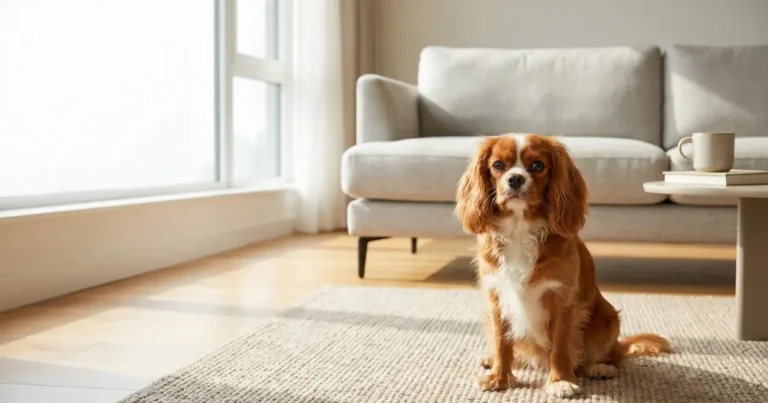
If you’re looking for a gentle, affectionate companion, the Cavalier King Charles Spaniel might steal your heart. Weighing between 13 and 18 pounds, these elegant dogs are known for their sweet temperament and beautiful, flowing coats. They’re adaptable, friendly with everyone they meet, and thrive on human companionship.
Pomeranian
The Pomeranian is a fluffy ball of energy that typically weighs just 3 to 7 pounds. Despite their tiny size, these dogs have bold personalities and can be quite vocal. Pomeranians are intelligent, curious, and make excellent watchdogs. Their thick double coat requires regular grooming, but their loyalty and playful nature make them worth the effort.
Dachshund
With their distinctive long bodies and short legs, Dachshunds are instantly recognizable. These spunky dogs come in standard and miniature sizes, with miniatures weighing under 11 pounds. Originally bred for hunting, Dachshunds are brave, clever, and sometimes stubborn. They bond deeply with their families and can be protective despite their small stature.
Yorkshire Terrier
The Yorkshire Terrier, or Yorkie, is a toy breed weighing around 4 to 7 pounds. Their silky, hypoallergenic coat and confident personality have made them one of the most popular small dog breeds. Yorkies are energetic, affectionate, and surprisingly courageous. They make excellent companions for adults and can adapt well to various living situations.
Shih Tzu
Bred to be companion dogs, Shih Tzus excel at their job. These friendly, outgoing dogs weigh between 9 and 16 pounds and have beautiful, flowing coats. Shih Tzus are known for their affectionate nature and adaptability. They’re equally happy playing with children or lounging on your lap, making them wonderful family pets.
Small Dog Breeds Comparison Table
| Breed | Weight Range | Temperament | Shedding Level | Apartment-Friendly |
|---|---|---|---|---|
| French Bulldog | 16-28 lbs | Playful, Affectionate | Low | Excellent |
| Cavalier King Charles | 13-18 lbs | Gentle, Friendly | Moderate | Excellent |
| Pomeranian | 3-7 lbs | Energetic, Alert | High | Very Good |
| Dachshund | 8-32 lbs | Brave, Clever | Low to Moderate | Very Good |
| Yorkshire Terrier | 4-7 lbs | Confident, Affectionate | Low | Excellent |
| Shih Tzu | 9-16 lbs | Friendly, Outgoing | Moderate | Excellent |
| Chihuahua | 2-6 lbs | Loyal, Spirited | Low | Excellent |
| Pug | 14-18 lbs | Charming, Playful | High | Excellent |
Best Small Dog Breeds for Apartments
Not all small dog breeds are created equal when it comes to apartment living. While size is certainly an advantage, temperament and energy levels matter just as much.
The French Bulldog tops many lists for apartment living. They’re quiet, don’t require extensive exercise, and are generally calm indoors. Similarly, Cavalier King Charles Spaniels adapt beautifully to apartment life with their gentle, easygoing nature.
Shih Tzus are another excellent choice for apartments. They’re content with short walks and indoor playtime, and they’re not prone to excessive barking. Yorkshire Terriers can also thrive in smaller spaces, though they’ll need regular play sessions to burn off their energy.
On the other hand, some small dog breeds might be more challenging in apartments. Beagles, though small, are vocal and have high energy. Jack Russell Terriers are incredibly active and need lots of exercise and mental stimulation, which can be difficult to provide in limited space.
The key is matching the dog’s energy level and temperament to your lifestyle and living situation. Even in an apartment, any small dog breed can thrive with proper exercise, training, and attention.
Things to Consider Before Choosing a Small Dog
Before you fall completely in love with those puppy eyes, there are several important factors to consider when selecting from the many small dog breeds available.
Exercise Needs
Don’t assume all small dogs are low-energy. Some breeds, like Jack Russell Terriers and Miniature Pinschers, have energy levels that rival much larger dogs. Others, like Bulldogs and Shih Tzus, are content with gentler exercise. Consider your activity level and choose a breed that matches it.
Grooming Requirements
Small dog breeds vary widely in grooming needs. Yorkies and Shih Tzus require regular professional grooming to keep their long coats manageable. Pomeranians need frequent brushing to prevent matting. Meanwhile, Chihuahuas and French Bulldogs are relatively low-maintenance. Factor in both the time commitment and the cost of grooming.
Temperament and Trainability
Some small dog breeds can be stubborn or challenging to train. Dachshunds, for example, are intelligent but independent-minded. Beagles can be difficult to housetrain. Research the typical temperament of breeds you’re considering and be honest about your experience level and patience for training.
Health Considerations
Many small dog breeds are prone to specific health issues. Brachycephalic breeds like Pugs and French Bulldogs can have breathing problems. Dachshunds are susceptible to back issues. Small dogs in general can experience dental problems. Understanding potential health concerns helps you prepare for veterinary care and associated costs.
Longevity and Commitment
Small dog breeds often live 12 to 18 years, which is a significant commitment. Make sure you’re ready for the long-term responsibility of pet ownership, including the financial costs, time investment, and lifestyle adjustments.
Living with Children and Other Pets
Some small dog breeds are more fragile and may not tolerate rough play from young children. Others, like Beagles and Cavaliers, are typically excellent with kids. If you have other pets, consider whether the breed you’re interested in typically gets along with cats or other dogs.
FAQs About Small Dog Breeds
What is considered a small dog breed?
Small dog breeds typically weigh between 2 and 25 pounds when fully grown. Toy breeds are the smallest category, usually under 10 pounds, while small breeds can range up to about 25 pounds. The exact classification can vary slightly between organizations.
Are small dog breeds good for first-time owners?
Many small dog breeds make excellent choices for first-time owners. Breeds like Cavalier King Charles Spaniels, Pugs, and Shih Tzus are generally easy-going and adaptable. However, some small breeds can be stubborn or high-energy, so research specific breeds to find the best match for your experience level.
Do small dog breeds bark more than large dogs?
Not necessarily. Barking tendency depends more on the individual breed and training than size. Some small breeds, like Chihuahuas and Pomeranians, are known for being vocal. Others, like French Bulldogs and Cavaliers, are typically quieter. Proper training can help manage excessive barking in any breed.
How much exercise do small dog breeds need?
Exercise needs vary significantly among small dog breeds. Some, like Chihuahuas and Shih Tzus, need just 20-30 minutes of daily activity. Others, like Jack Russell Terriers and Miniature Schnauzers, require an hour or more of vigorous exercise. Always research your specific breed’s needs.
Are small dog breeds expensive to care for?
Small dog breeds can be more economical than large dogs in some ways—they eat less food and require smaller doses of medication. However, many small breeds require professional grooming, and some have higher veterinary costs due to breed-specific health issues. The initial purchase or adoption fee can also be substantial for popular breeds.
Can small dog breeds be left alone during the day?
This depends on the breed and individual dog. Some small dog breeds, like Chihuahuas and Yorkies, can be prone to separation anxiety. Others are more independent. Most dogs shouldn’t be left alone for more than 4-6 hours at a time. Crate training, mental stimulation, and gradual alone-time training can help.
Conclusion
Small dog breeds offer wonderful companionship in perfectly portable packages. Whether you’re drawn to the playful French Bulldog, the elegant Cavalier King Charles Spaniel, or the spirited Yorkshire Terrier, there’s a small breed that can fit beautifully into your life.
The key to choosing the right small dog breed is being honest about your lifestyle, living situation, and what you can offer a dog. Consider exercise needs, grooming requirements, temperament, and potential health issues. Take time to research, meet different breeds if possible, and even foster before committing if that’s an option.
Remember that every dog is an individual. While breed characteristics provide helpful guidelines, the specific dog you choose will have their own unique personality. With proper care, training, and love, your small dog will become not just a pet, but a cherished member of your family for many years to come.
Ready to welcome a small dog into your home? Start by visiting local shelters and rescue organizations, or connect with reputable breeders who prioritize health and temperament. Your perfect tiny companion is out there waiting for you!
You might also like these articles:
Small White Dog Breeds: Care, Grooming, and Personality