Best Dog Harness for Small Dogs (Buyer’s Guide & Reviews)
Table of Contents
Introduction
Choosing the right dog harness for small dogs can feel overwhelming. With dozens of options available, how do you know which one won’t slip off, cause chafing, or make walks stressful?
Small dogs have unique needs. Their delicate throats are easily damaged by collars, and their compact bodies require harnesses designed specifically for their size. Whether you have a Chihuahua, Yorkie, Pomeranian, or Maltese, the right harness makes walks safer and more enjoyable for both of you.
This guide breaks down everything you need to know about selecting a dog harness for small dogs, including top picks, sizing advice, and common mistakes to avoid.
What Makes a Good Dog Harness for Small Dogs
Not all harnesses work well for small breeds. Here’s what separates the best from the rest:
Proper weight distribution is critical. A quality dog harness for small dogs distributes pressure across the chest and shoulders rather than the neck. This protects your pup’s trachea, which is especially vulnerable in toy breeds.
Secure fit without restriction matters tremendously. The harness should stay in place during pulls or sudden movements, but never restrict breathing or movement. Look for adjustable straps at multiple points.
Lightweight materials make a difference. Heavy harnesses can weigh down small dogs and make walks uncomfortable. Breathable mesh or padded nylon works best for most climates.
Easy on, easy off design saves frustration. Step-in harnesses or overhead styles with quick-release buckles are ideal for wiggly or anxious dogs.
Durable D-ring placement ensures safety. The leash attachment point should sit on the back or chest, reinforced to handle pulling without breaking or bending.
Best Dog Harness for Small Dogs (Top Picks)
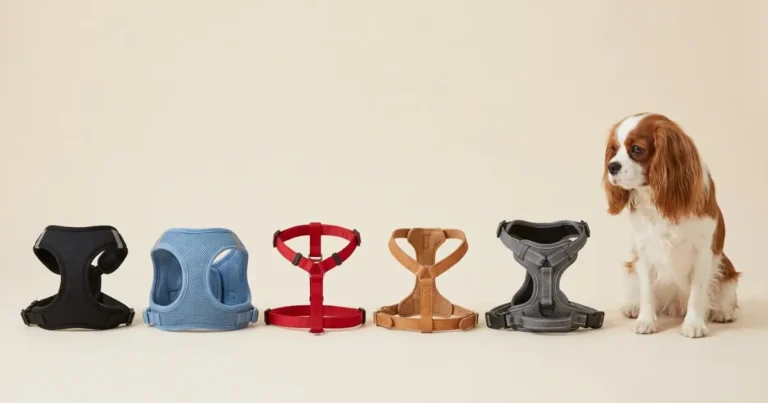
Best Overall: Step-In Padded Mesh Harness
This style consistently ranks as the top dog harness for small dogs. The step-in design is simple to use, the mesh is breathable, and the padding prevents rubbing under the legs.
Best for: Daily walks, small dogs 5-15 lbs, owners who want versatility
Best for Pullers: Front-Clip No-Pull Harness
Front-clip harnesses discourage pulling by redirecting your dog’s momentum. When your pup pulls, they turn back toward you instead of dragging you forward.
Best for: Small dogs who pull, training purposes, Terriers and Beagles
Best for Tiny Breeds: Extra-Small Adjustable Vest Harness
Designed specifically for dogs under 6 pounds, these vest-style harnesses offer maximum coverage and support for the tiniest pups.
Best for: Chihuahuas, teacup breeds, senior small dogs, puppies
Best for Escape Artists: Dual-Clip Security Harness
Some small dogs are Houdinis. Dual-clip harnesses feature both chest and back attachment points plus extra security straps that prevent backing out.
Best for: Anxious dogs, escape-prone breeds, nervous rescues
Best for Hot Weather: Lightweight Cooling Harness
Mesh construction with reflective strips keeps small dogs cool and visible. Some versions include cooling gel inserts.
Best for: Summer walks, dogs with thick coats, hot climates
Best Budget Option: Basic Adjustable Nylon Harness
Simple, effective, and affordable. These harnesses lack fancy features but get the job done for well-behaved small dogs.
Best for: Calm walkers, backup harness, limited budgets
Size, Fit, and Comfort Tips
Getting the right fit is the most important factor when choosing a dog harness for small dogs. Here’s how to nail it:
Measuring Your Dog
Use a soft measuring tape to measure around the widest part of your dog’s chest, typically right behind the front legs. Add two inches to this measurement for comfort.
Measure the neck circumference at the base where a collar would sit. Most harnesses adjust within a range, so knowing both measurements helps you select the right size.
Weigh your dog. Many manufacturers base sizing primarily on weight, so having an accurate number prevents ordering the wrong size.
The Two-Finger Rule
Once the harness is on, you should be able to slide two fingers comfortably between the harness and your dog’s body. Tighter than this restricts movement and breathing. Looser allows escape.
Check These Pressure Points
Look under the front legs (armpits) for any rubbing or tightness. This is where most harness chafing occurs.
Check that the chest strap sits flat against the breastbone without riding up toward the throat.
Ensure the back strap sits behind the shoulder blades, not on top of them where it could restrict shoulder movement.
Break-In Period
Let your dog wear the new harness around the house for short periods before heading outside. This helps them adjust and shows you any fit issues before you’re committed to a walk.
Signs of Poor Fit
Watch for these red flags: excessive scratching at the harness, hair loss under straps, coughing or gagging, reluctance to move forward, or the ability to back out of the harness.
Common Mistakes When Buying a Harness
Buying Based on Breed Alone
Even within the same breed, body shapes vary. A Yorkie with a barrel chest needs different sizing than a slim Yorkie. Always measure your specific dog.
Choosing Fashion Over Function
Cute patterns and colors are fun, but prioritize comfort and safety first. A poorly designed dog harness for small dogs in a trendy fabric still causes problems.
Assuming “Small” Means One Size
Small dog sizing varies wildly between brands. One company’s small might be another’s extra-small. Always check the size chart using your measurements.
Ignoring Material Quality
Cheap materials fray, lose shape, and can cause skin irritation. Look for colorfast fabrics, reinforced stitching, and rust-resistant hardware.
Skipping Adjustability
Non-adjustable harnesses rarely fit perfectly. Multiple adjustment points let you customize the fit as your dog grows or if they gain or lose weight.
Not Considering Your Dog’s Personality
Anxious dogs might need vest-style coverage for security. Energetic pullers need front-clip designs. Calm senior dogs might prefer simple step-in styles. Match the harness to your dog’s temperament.
Overlooking Washing Instructions
A dog harness for small dogs needs regular cleaning. If it’s not machine washable or easy to hand-wash, it’ll get gross quickly.
FAQs About Dog Harness for Small Dogs
Q: Should small dogs wear a harness or collar?
Harnesses are safer for small dogs. Collars put pressure directly on the trachea, which can cause collapsed trachea syndrome in small breeds. Use a harness for walks and keep a collar only for ID tags.
Q: What size harness does a 10 lb dog need?
Most 10-pound dogs wear a small or extra-small harness, but always measure. Girth (chest circumference) matters more than weight for proper fit.
Q: Can my puppy wear a dog harness?
Yes, puppies can wear harnesses as soon as they start leash training, usually around 8-10 weeks. Choose an adjustable harness to accommodate growth and replace it as needed.
Q: How tight should a dog harness be?
You should fit two fingers snugly between the harness and your dog’s body. It shouldn’t slide around, but it also shouldn’t restrict breathing or movement.
Q: Why does my dog hate their harness?
Common reasons include poor fit, uncomfortable materials, or negative associations. Try a different style, ensure proper sizing, and create positive associations with treats during harness time.
Q: Are step-in or overhead harnesses better?
Step-in harnesses work well for calm dogs and are easier on dogs with neck or back sensitivity. Overhead harnesses provide more security for escape artists. Both can be excellent dog harness options for small dogs.
Q: How often should I replace my dog’s harness?
Replace harnesses when you notice fraying, broken buckles, stretched straps, or when your dog outgrows it. With normal use, quality harnesses last 1-2 years.
Q: Can I use a retractable leash with a harness?
Yes, but use caution. The back clip on a harness works with retractable leashes, but sudden stops can still jerk your small dog. A standard 4-6 foot leash offers better control.
Conclusion
Finding the perfect dog harness for small dogs comes down to understanding your pup’s specific needs. Measure carefully, prioritize comfort and safety, and choose features that match your dog’s walking style.
The right harness transforms walks from stressful to enjoyable. It protects your small dog’s delicate throat, gives you better control, and provides security for both of you.
Start with proper measurements, select a style that fits your dog’s personality, and don’t be afraid to try a different option if the first one doesn’t work perfectly. Your small dog deserves a harness that feels good and keeps them safe on every adventure.
Ready to upgrade your walks? Use this guide to choose confidently, and you’ll have a happy, comfortable pup who’s excited for harness time.
Explore more articles on this topic: