
Apple Head Chihuahua Puppy: Complete Guide for New Owners
So you’ve fallen in love with those oversized eyes and that adorable dome-shaped head? You’re not alone. If you’re considering bringing an apple head chihuahua puppy into your home, you’re about to embark on one of the most rewarding (and entertaining) journeys of your life. These pocket-sized companions pack enormous personality into tiny bodies, but they come with their own unique needs and quirks.
This guide walks you through everything you need to know before, during, and after welcoming your apple head chihuahua puppy home—from their distinctive physical traits to health considerations that responsible owners should understand from day one.
What Is an Apple Head Chihuahua Puppy?
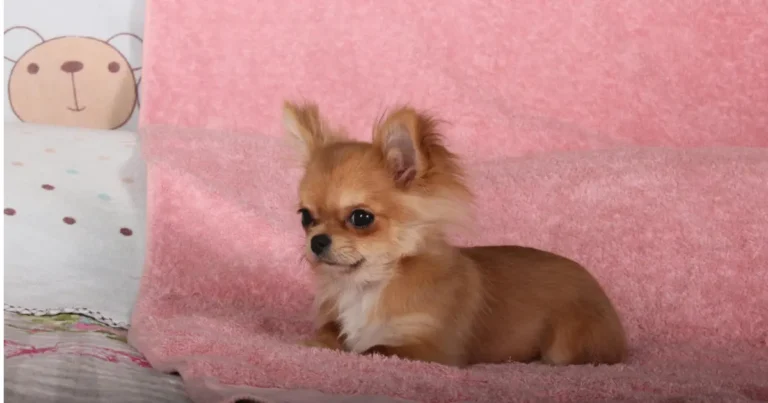
An apple head chihuahua puppy is a Chihuahua with a distinctly rounded, dome-shaped skull that resembles—you guessed it—an apple. This is the breed standard recognized by the American Kennel Club (AKC) and is considered the “classic” Chihuahua look.
Unlike their deer head cousins (who have longer muzzles and flatter skulls), apple heads have a pronounced 90-degree angle where the muzzle meets the forehead. This creates that signature “stop” that makes their faces so expressive and undeniably cute.
Apple head Chihuahuas aren’t a separate breed—they’re simply one of two head shape varieties within the Chihuahua breed. Both types can appear in the same litter, though apple heads are more common in show lines.
Physical Characteristics of an Apple Head Chihuahua Puppy
Head Shape and Skull
The most obvious feature is that rounded, apple-like skull. As puppies, many apple heads are born with a molera—a soft spot on top of the head similar to a human baby’s fontanel. This is completely normal and usually closes as they mature, though some retain a small opening throughout life.
Their muzzle is short and slightly pointed, meeting the forehead at a sharp angle. This creates those adorable, almost childlike facial proportions that make people melt.
Size and Weight
Even as puppies, you can tell these dogs won’t be taking up much couch space. Adult apple head Chihuahuas typically weigh between 3 to 6 pounds, with most falling around 4 to 5 pounds. Your puppy will reach most of their adult size by 8 to 10 months, though they may continue filling out slightly until about a year old.
Eyes
Those big, round, expressive eyes are a hallmark of the apple head variety. They’re set well apart and tend to be dark or ruby-colored, though lighter eyes can occur. The large eye size relative to their face gives them that perpetually curious, sometimes surprised expression.
Ears
Apple head chihuahua puppies have large, erect ears that often seem too big for their heads when they’re very young. The ears typically start standing up between 8 to 12 weeks of age, though some may take a bit longer. These radar-like ears swivel to catch every sound—which partly explains why Chihuahuas are such alert watchdogs.
Temperament and Personality
Don’t let the tiny size fool you. An apple head chihuahua puppy doesn’t know it’s small and will confidently assert itself in any situation.
Loyal to a fault: These dogs typically bond intensely with one or two people and can be suspicious of strangers. Early socialization is crucial to prevent excessive shyness or aggression.
Feisty and brave: Your puppy will likely challenge dogs ten times its size without hesitation. This fearlessness is endearing but requires vigilant supervision to keep them safe.
Intelligent and trainable: Chihuahuas are smart and can learn commands quickly—if they feel like cooperating. They respond best to positive reinforcement and can be surprisingly stubborn if pushed too hard.
Velcro dogs: Expect your puppy to follow you everywhere, including the bathroom. They thrive on companionship and can develop separation anxiety if left alone frequently.
Alert barkers: That sharp bark serves as an excellent alarm system, though it can become problematic without proper training. Your neighbors will definitely know when the mailman arrives.
Health Considerations to Know Early
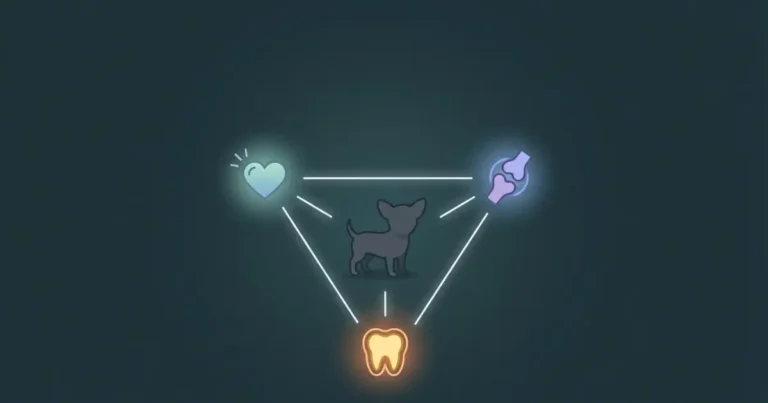
Apple head chihuahua puppies are generally healthy, but their unique anatomy comes with specific concerns:
Hypoglycemia (low blood sugar): This is a serious risk in puppies, especially those under 3 pounds. Feed small, frequent meals throughout the day and watch for symptoms like lethargy, trembling, or weakness. Always have a glucose supplement recommended by your vet on hand.
Dental issues: That tiny mouth often means crowded teeth. Start dental care early with regular brushing and dental chews. Many Chihuahuas need professional cleanings more frequently than larger breeds.
Patellar luxation: Kneecaps that slip out of place are common in small breeds. Watch for limping or skipping steps, and avoid encouraging your puppy to jump from high surfaces.
Tracheal collapse: The delicate windpipe can weaken over time. Always use a harness instead of a collar to avoid putting pressure on the throat.
Molera monitoring: While normal, the soft spot should be protected. Avoid rough play around the head area, and mention it to your vet at checkups.
Temperature sensitivity: With minimal body fat, these puppies get cold easily. Invest in sweaters for winter walks and provide warm bedding.
| Health Concern | Prevention/Management |
|---|---|
| Hypoglycemia | Frequent small meals, glucose supplement on hand |
| Dental disease | Daily brushing, dental chews, regular vet cleanings |
| Patellar luxation | Maintain healthy weight, limit jumping, monitor gait |
| Tracheal collapse | Use harness only (never collar), avoid pulling |
| Cold sensitivity | Sweaters/coats in cold weather, warm indoor bedding |
Training and Socialization Tips
Starting early with your apple head chihuahua puppy sets the foundation for a well-adjusted adult dog.
Socialization is non-negotiable: Expose your puppy to different people, sounds, surfaces, and experiences between 8 and 16 weeks. This critical window shapes their adult temperament. Carry them in a pet carrier to places like outdoor cafes or pet stores before they’re fully vaccinated.
Potty training requires patience: Small bladders mean frequent bathroom breaks. Take your puppy out every 1-2 hours initially, and immediately after eating, playing, or waking up. Consistency and praise work better than punishment.
Prevent small dog syndrome: Just because they’re tiny doesn’t mean rules don’t apply. Teach basic commands like sit, stay, and come. Don’t allow behaviors you wouldn’t tolerate in a larger dog—jumping, nipping, or excessive barking.
Use positive reinforcement: Harsh corrections can traumatize these sensitive dogs. Reward good behavior with treats, praise, and play. Keep training sessions short (5-10 minutes) and fun.
Leash training matters: Use a lightweight harness and let your puppy get comfortable wearing it indoors first. Practice walking in a safe, enclosed space before venturing outside.
Crate training provides security: A properly sized crate becomes your puppy’s safe den. Never use it as punishment. Make it cozy with bedding and toys.
Is an Apple Head Chihuahua Puppy Right for You?
These pint-sized companions aren’t for everyone. Here’s what to consider honestly:
You might be a great match if you:
- Want a devoted, affectionate companion who thrives on closeness
- Live in an apartment or smaller space
- Can commit to daily training and socialization
- Understand that small doesn’t mean low-maintenance
- Have time to supervise interactions with children or larger pets
- Enjoy a dog with big personality and some sass
Think twice if you:
- Have very young children who might accidentally injure such a delicate puppy
- Want an outdoor dog or running partner for long distances
- Travel frequently without pet-friendly accommodations
- Prefer a quiet, non-vocal dog
- Can’t afford potential veterinary expenses for breed-specific issues
Apple head Chihuahuas can live 14 to 18 years, so this is a long-term commitment to a dog that will demand your attention, affection, and patience.
Frequently Asked Questions
How much does an apple head chihuahua puppy cost?
Expect to pay $500 to $2,500 from reputable breeders, with show-quality puppies costing more. Avoid suspiciously cheap puppies, which often come from puppy mills.
What’s the difference between apple head and deer head Chihuahuas?
Apple heads have rounded skulls and shorter muzzles with a 90-degree stop. Deer heads have flatter skulls, longer muzzles, and a gentler facial angle.
Are apple head Chihuahuas good with kids?
They can be, but their fragile size makes them better suited for families with older, gentle children who understand how to handle small dogs carefully.
How often should I feed my apple head chihuahua puppy?
Puppies under 3 months need 4-5 small meals daily. From 3-6 months, feed 3-4 times. After 6 months, you can transition to 2-3 meals per day.
Do apple head Chihuahuas shed?
Yes, both smooth and long-coat varieties shed. Regular brushing helps manage it, but they’re not hypoallergenic.
Can apple head chihuahua puppies be left alone?
Not for long periods. These social dogs can develop separation anxiety. If you work full-time, arrange for midday check-ins or doggy daycare.
Final Thoughts
An apple head chihuahua puppy brings immeasurable joy, laughter, and companionship—along with a healthy dose of attitude. These tiny dogs with enormous hearts make wonderful pets for the right owners who understand their needs and respect their spirited nature.
Success with your apple head chihuahua puppy starts with education, preparation, and commitment to proper care, training, and socialization. The effort you invest during puppyhood pays dividends in the form of a confident, well-adjusted companion who’ll stick by your side for years to come.
If you’re ready for a dog that thinks it’s a lion, demands to be included in everything, and will love you with fierce devotion, then an apple head chihuahua puppy might just be your perfect match. Welcome to the wonderful world of tiny dogs with giant personalities! 🐶